
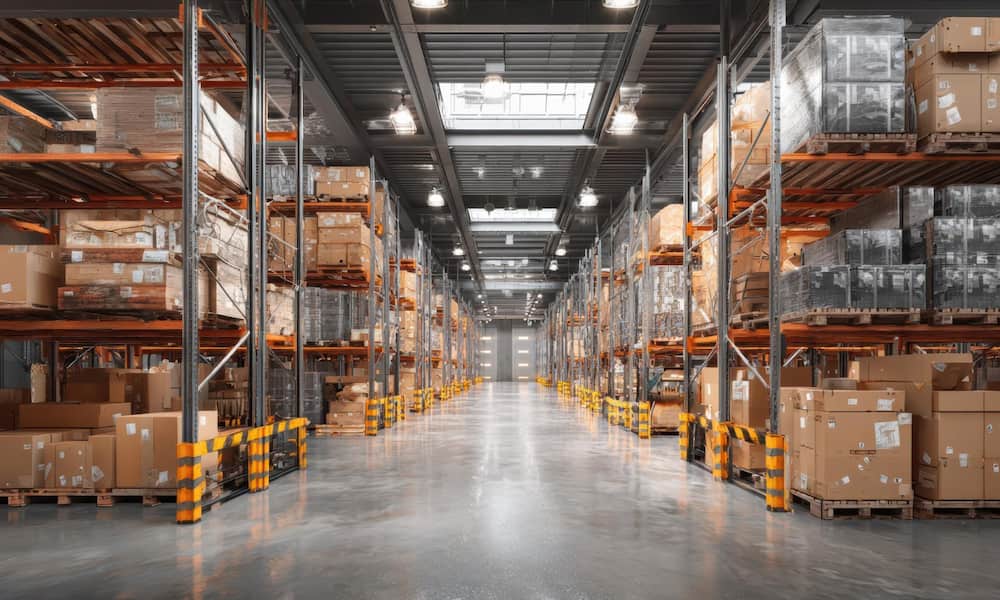
Quick Facts Managing your own warehouse often comes with hidden costs that increase as your business grows. Fixed expenses like rent and utilities can lead to wasted resources during slow periods. Labor, technology, and compliance requirements add ongoing costs that are easy to underestimate. A third-party logistics provider helps convert fixed costs into flexible, scalable expenses. Outsourcing logistics allows businesses to focus more on growth instead of daily operations. |
What's In This Guide
Managing your own warehouse can seem like a smart and cost-effective way to stay in control of your operations. For many businesses, it offers a sense of flexibility and oversight, especially in the early stages of growth. However, as operations become more complex, the true costs of running a warehouse are not always as straightforward as they appear.
Beyond the obvious expenses, there are underlying costs that can quietly impact efficiency, scalability, and overall profitability. These often go unnoticed until they begin to affect day-to-day operations and long-term growth.
Here are seven hidden costs of managing your own warehouse and how 3PL solves them.
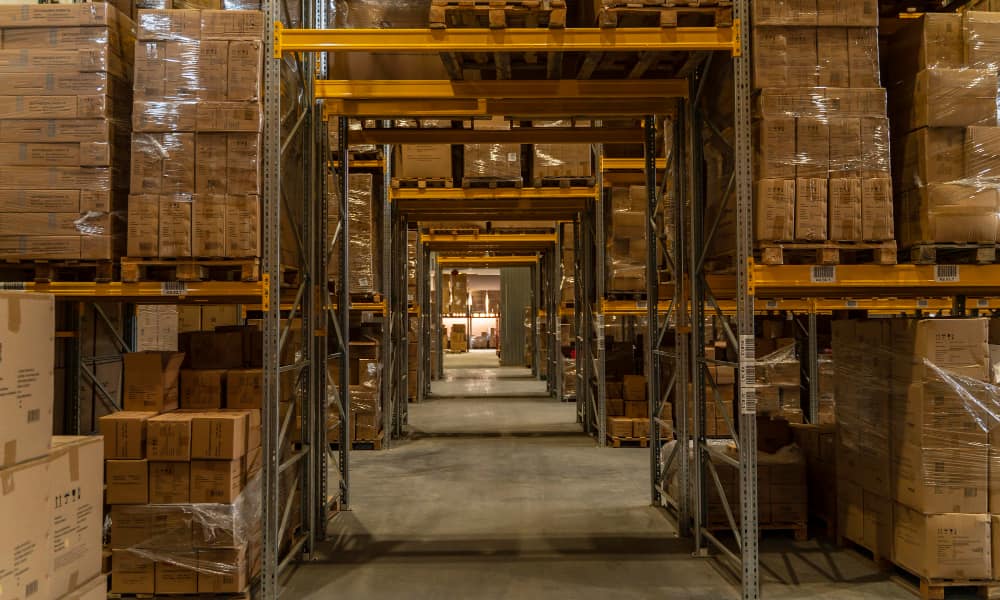
7 Hidden Costs of Running Your Own Warehouse (And How 3PL Can Fix Them)
1. Fixed Facility Overhead and Inflexible Warehouse Space
The Hidden Cost
Running your own warehouse means paying fixed costs like rent, utilities, insurance, taxes, and security every month. These costs stay the same whether the business is busy or slow. That can become a problem when sales drop, and you are still paying for space you do not fully use. On the other hand, during peak periods, your warehouse may not have enough room, which can lead to expensive overflow storage or rushed expansion decisions.
How 3PL Solves It
A third-party logistics provider offers flexible warehouse space that can adjust to your inventory levels. Instead of being locked into one facility size, businesses can use shared space and pay based on actual usage. This makes it easier to handle both slower seasons and demand spikes without wasting money.
2. High Labor Costs, Turnover, and Training
The Hidden Cost
Warehouse labor costs include much more than hourly pay. Businesses also have to cover hiring, onboarding, training, payroll taxes, benefits, and management oversight. On top of that, warehouse jobs often have high turnover, which means companies end up repeating the hiring and training process again and again. That raises costs and can slow down operations.
How 3PL Solves It
Third-party logistics services take over staffing responsibilities for you. The provider handles recruiting, training, scheduling, and day-to-day workforce management. That gives businesses access to experienced warehouse teams without the ongoing HR workload and constant retraining costs.
3. Expensive Warehouse Technology and Systems
The Hidden Cost
Efficient warehouse operations depend on the right technology. That usually includes a warehouse management system, barcode scanners, inventory software, and tracking tools. These systems can be expensive to buy, set up, and maintain. Without them, businesses are more likely to deal with inventory mistakes, shipping errors, and slower fulfillment.
How 3PL Solves It
A third-party logistics provider typically includes advanced technology as part of its service. That means businesses can benefit from real-time inventory visibility, better order tracking, and improved accuracy without paying for the systems upfront or managing them internally.
4. Inventory Inefficiencies and Product Shrinkage
The Hidden Cost
In-house warehouses often struggle with inventory issues such as overstocking, inaccurate counts, damaged goods, and dead stock. Shrinkage can also happen through theft, handling mistakes, or admin errors. These problems tie up cash, waste storage space, and make it harder to keep inventory moving efficiently.
How 3PL Solves It
The 3PL industry relies on structured inventory processes and better tracking systems to reduce these issues. Professional warehouse teams use organized layouts, consistent procedures, and inventory controls that help improve accuracy, reduce shrinkage, and keep products moving more efficiently.
5. Higher Shipping and Packaging Costs
The Hidden Cost
Businesses that manage their own warehousing often pay more for shipping because they do not have the volume needed to negotiate lower carrier rates. Packaging materials can also cost more when ordered in smaller quantities. In some cases, inefficient packing can increase dimensional weight charges and drive costs even higher.
How 3PL Solves It
Third-party logistics services usually come with access to better carrier rates and more efficient packaging practices. Because 3PLs ship in high volume, they can often secure lower shipping costs. They also know how to pack orders in ways that reduce waste, control costs, and improve delivery performance.
6. Regulatory Compliance and Safety Risks
The Hidden Cost
Warehouses have to follow safety rules, equipment standards, and compliance requirements. Meeting those standards takes time, training, and ongoing oversight. If something is missed, businesses may face fines, insurance issues, or disruptions to operations.
How 3PL Solves It
Third-party logistics providers are already set up to manage warehouse compliance and safety procedures. They handle training, processes, and inspections as part of their operations.
7. Opportunity Cost and Management Distraction
The Hidden Cost
One of the highest hidden costs of managing your own warehouse is the time it takes away from other parts of the business. Leaders often spend valuable time dealing with staffing problems, inventory issues, shipping delays, and warehouse oversight. That is time they could be spending on sales, customer growth, and strategy.
How 3PL Solves It
A third-party logistics provider takes logistics management off your plate. With fulfillment and warehouse operations handled by specialists, business owners and managers can spend more time focusing on growth, customer relationships, and long-term planning.
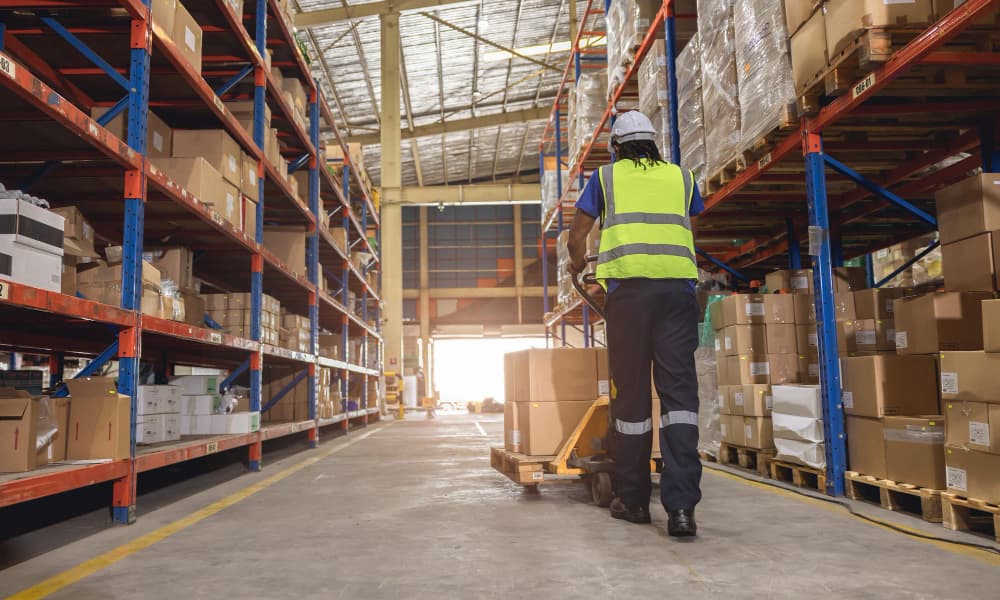
How to Decide If Your Business Should Use a 3PL
Choosing whether to keep warehousing in-house or outsource it starts with understanding your current costs, operational limits, and growth needs. A simple review of these areas can show whether your current setup is still supporting your business efficiently.
Step 1: Analyze Your Current Logistics Costs
Calculate the full cost of running your warehouse, including rent, utilities, labor, equipment, shipping, technology, and inventory loss. Many businesses find that their actual logistics costs are much higher than they first assumed.
Step 2: Identify Operational Bottlenecks
Look at where your warehouse operations may be slowing down performance, such as delayed fulfillment, inventory errors, staffing issues, or rising shipping expenses. These are often signs that your internal processes are no longer keeping up with demand.
Step 3: Compare Fixed and Variable Cost Models
Managing your own warehouse means carrying fixed costs even when order volume changes. Working with a 3rd party logistics provider can shift many of those costs into a variable model that scales more easily with your business.
Step 4: Evaluate Your Long-Term Growth Plans
Think about whether your current warehouse setup can support future growth, seasonal spikes, or expansion into new markets. Outsourcing fulfillment can give your business more flexibility without requiring major upfront investment.
Frequently Asked Questions
What is 3PL?
A third-party logistics provider handles key supply chain functions like warehousing, inventory management, order fulfillment, and shipping for other businesses. The 3PL meaning refers to outsourcing these operations to logistics experts, which can improve coordination, strengthen supply chain performance, and help businesses stay flexible and competitive as market demands change.
How does the 3PL industry help businesses reduce costs?
The 3PL industry operates large-scale logistics networks that allow businesses to share resources such as warehouse space, shipping contracts, and technology infrastructure. This shared model reduces costs and improves operational efficiency.
What services do third-party logistics companies offer?
Common third-party logistics services include warehousing, inventory management, order fulfillment, pick and pack operations, shipping coordination, returns management, and supply chain analytics.
Is 3rd party logistics only for large companies?
No. Many small and mid-sized businesses use 3rd party logistics to support e-commerce fulfillment, retail distribution, and national shipping operations. Outsourcing logistics can help growing businesses scale more efficiently.
When should a business consider using a 3PL?
A business should consider using a 3PL when warehouse costs start rising, fulfillment becomes harder to manage, or growth creates more operational pressure. It can also make sense when a company needs more flexibility, better shipping rates, or support during seasonal demand spikes.
Simplify Logistics and Reduce Hidden Warehouse Costs
Managing your own warehouse may seem practical, but hidden costs tied to labor, technology, shipping, and compliance can quickly reduce profitability. As your business grows, these expenses often become harder to control.
Outsourcing logistics gives businesses access to scalable support, better efficiency, and less operational strain. For companies in New York, NY, looking for a smarter fulfillment solution, 3PL Logistics By Best offers a practical way to reduce warehouse costs and simplify operations.
Ready to cut hidden costs and streamline fulfillment? Contact 3PL Logistics by Best today.