
How to Calculate Fulfillment Cost Per Order and Find Hidden 3PL Expenses
This guide explains how to calculate fulfillment cost per order by including all key expenses and comparing in-house vs 3PL fulfillment models.

This guide explains how to calculate fulfillment cost per order by including all key expenses and comparing in-house vs 3PL fulfillment models.
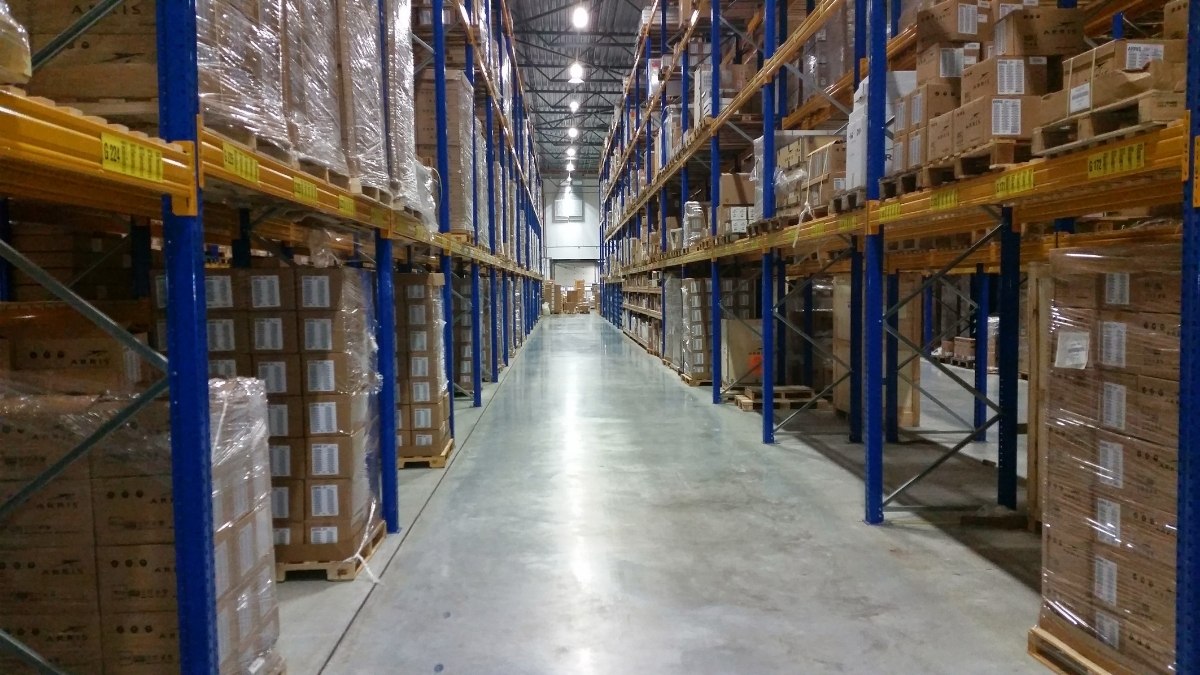
This article explains how 3PL warehouses enable seamless omnichannel fulfillment by integrating inventory management, order routing, and channel-specific logistics.

Discover how modern 3PL third party logistics providers enhance supply chain strategy through real-time data, flexibility, and innovative technology.
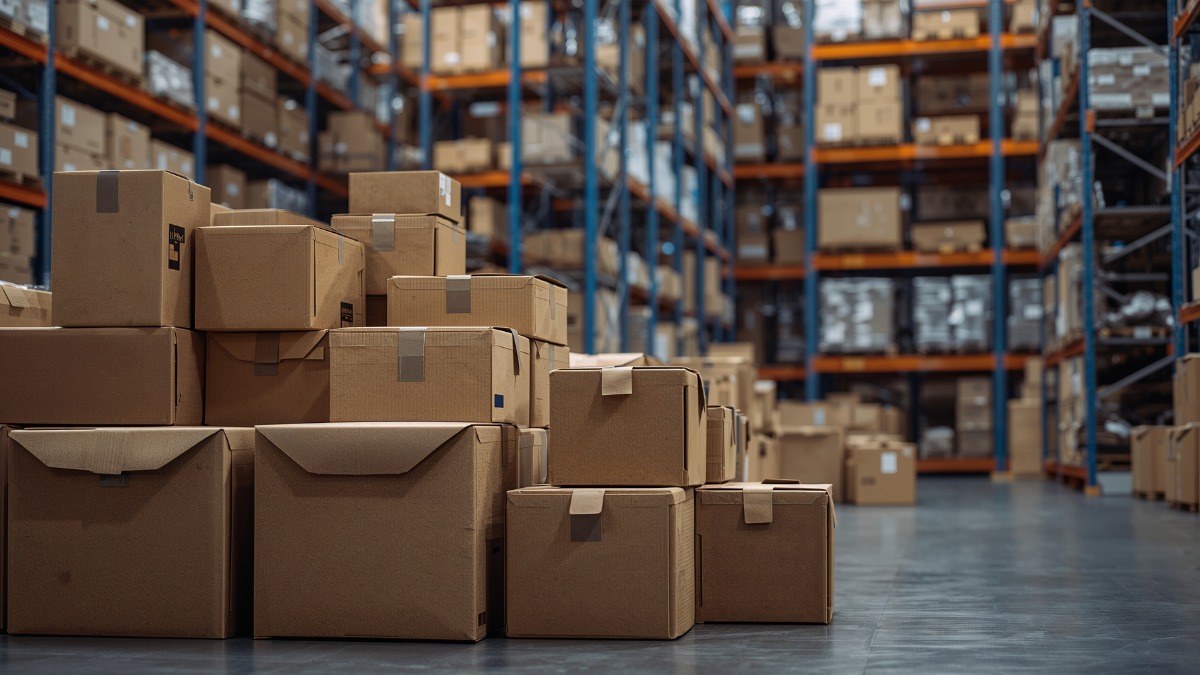
Learn how partnering with a 3PL helps businesses efficiently manage seasonal and overflow inventory through flexible storage and scalable fulfillment solutions.
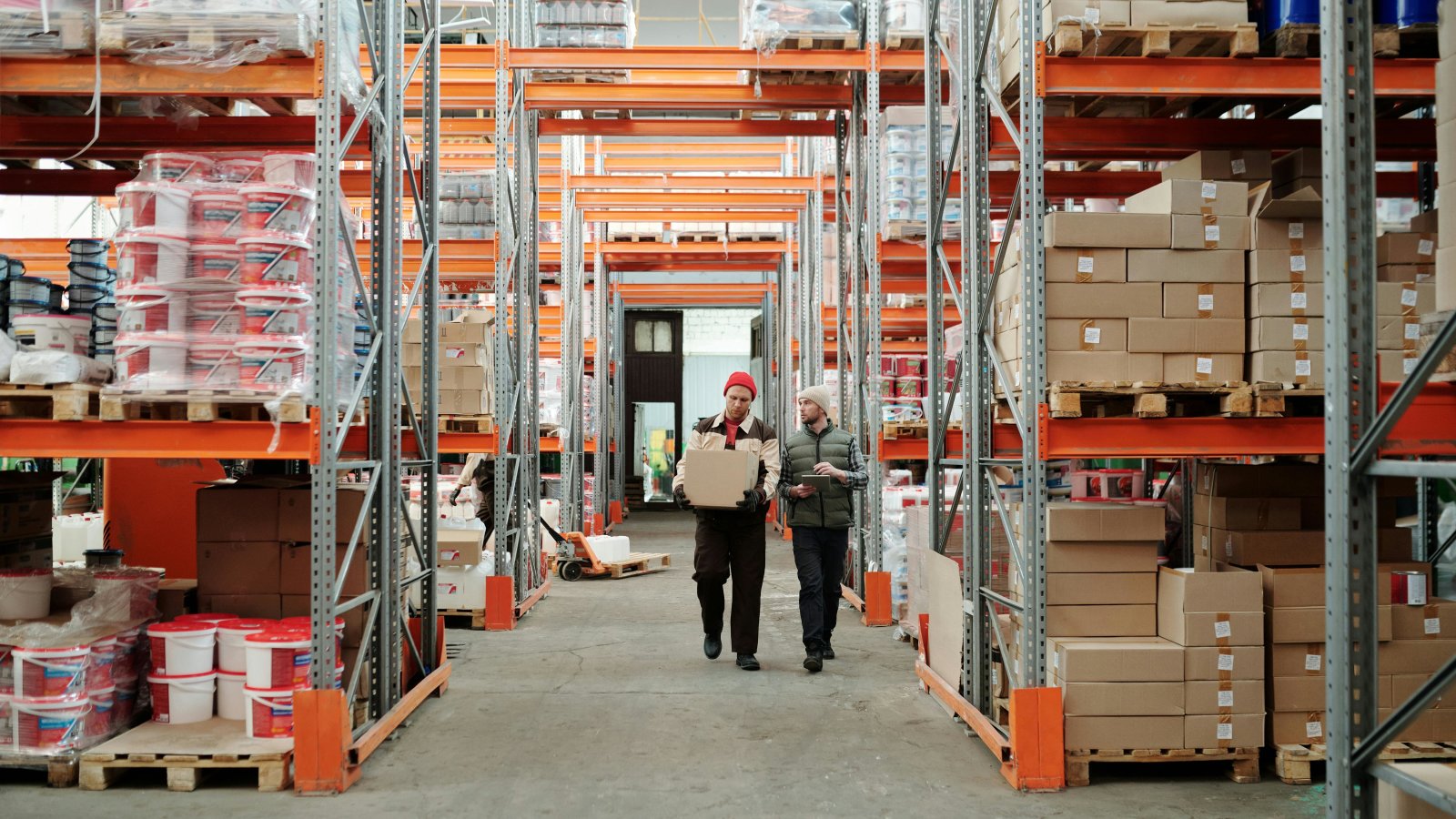
U.S. e-commerce sales reached 1,233.7 billion in 2025, highlighting the growing demand for faster and more reliable fulfillment infrastructure.
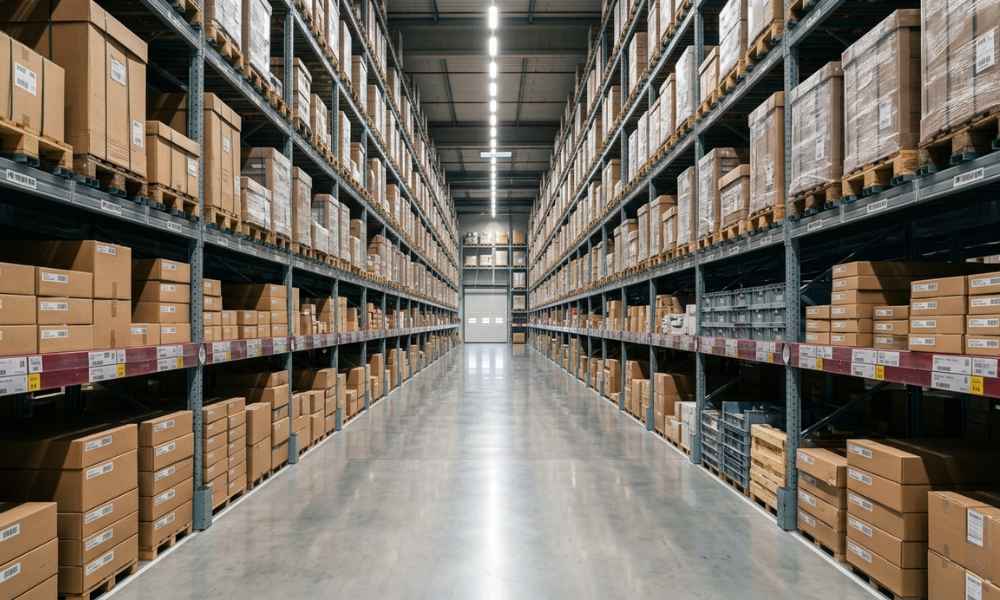
Shipping expectations are higher than ever, and operational pressures continue to increase. Businesses must balance speed, accuracy, and cost control within increasingly complex supply chains.
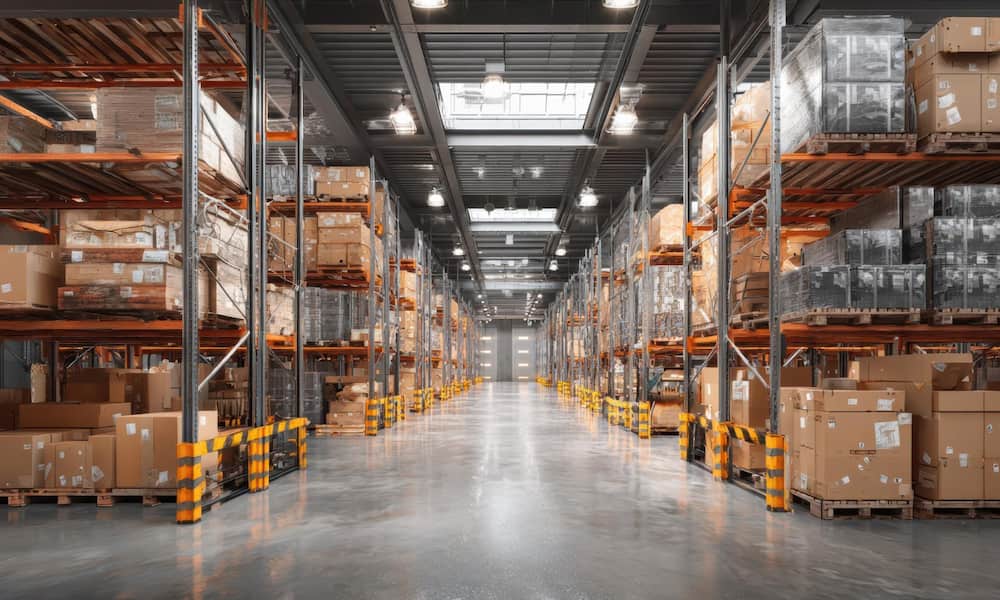
Managing your own warehouse can seem like a smart and cost-effective way to stay in control of your operations. For many businesses, it offers a sense of flexibility and oversight, especially in the early stages of growth.

Freight pricing is changing in a way that surprises a lot of shippers. It involves consistently buying the right level of capacity, service, and risk control in a market where costs, compliance scrutiny, and service expectations keep rising.

3PLs manage inbound and outbound transportation by combining integrated technology (TMS + WMS), deep carrier networks, and practical freight engineering.