

3PLs manage inbound and outbound transportation by combining integrated technology (TMS + WMS), deep carrier networks, and practical freight engineering.
Inbound gets streamlined through supplier coordination and cross-docking. Outbound gets optimized through multi-carrier rate shopping, real-time tracking, and warehouse execution that keeps orders moving without avoidable touches.
What This Guide Covers
|
Highlights ✔ Inbound: Coordinate suppliers, control appointments, speed dock-to-stock. ✔ Outbound: Optimize modes, consolidate loads, shop carrier rates. ✔ Align freight with inventory and labor. ✔ Catch exceptions early, reschedule fast. ✔ Proximity plus execution lowers risk. |
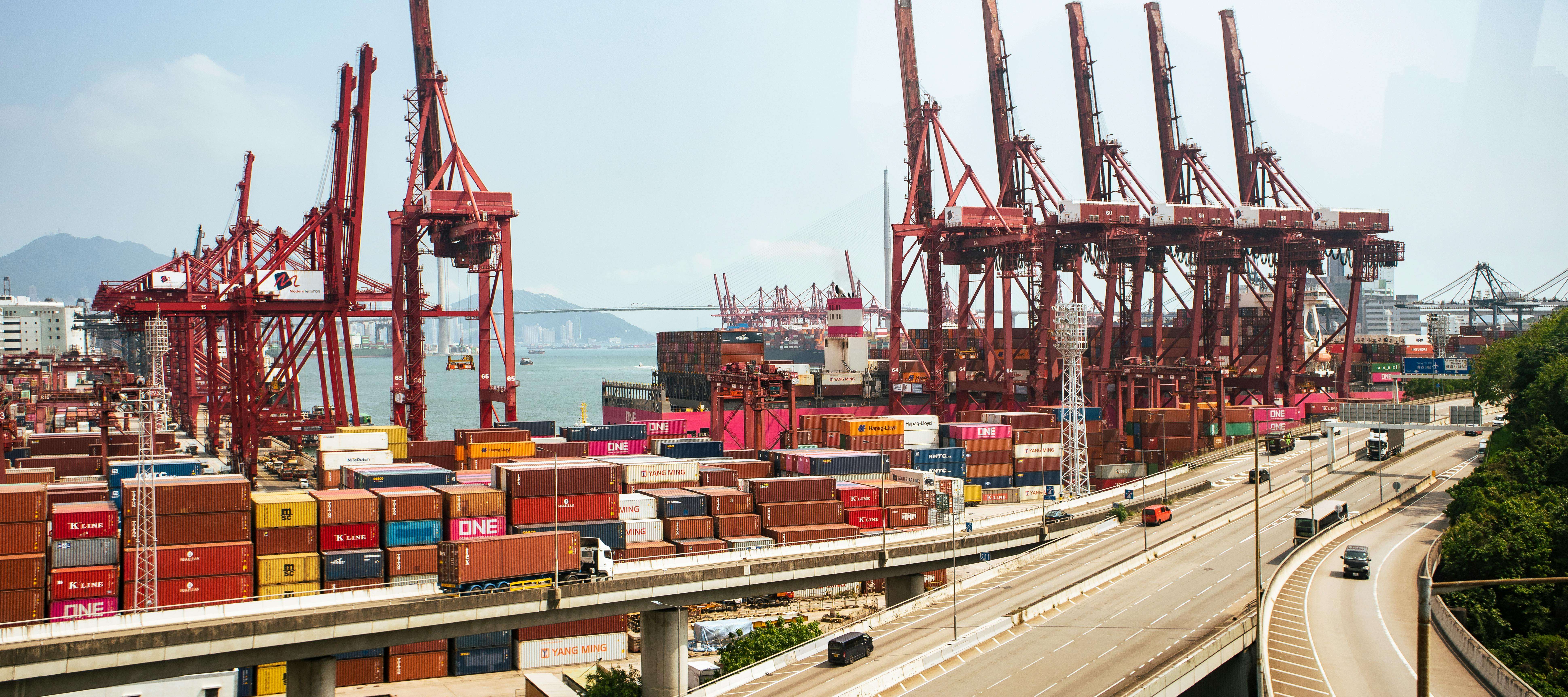
Inbound Transportation
Carrier Strategy and Capacity Planning
A 3PL typically blends:
- Contract capacity (stable lanes, predictable service)
- Spot coverage (overflow, seasonal spikes, exceptions)
- Mode flexibility (LTL, TL, intermodal, drayage depending on origin and urgency)
This matters because broader freight activity and capacity cycles move up and down over time.
Supplier Coordination and Appointment Scheduling
Inbound freight efficiency often rises or falls on basic execution:
- Confirming ship dates and packaging requirements
- Enforcing ASN (advance ship notice) discipline when applicable
- Scheduling deliveries to match labor plans and dock capacity
When this is managed well, the warehouse avoids surprise arrivals that create overtime, missed unload windows, and inventory delays.
Dock Management To Reduce Dwell and Rework
Dwell time is expensive because it burns labor and blocks the dock for the next load. Port and freight performance programs emphasize the measurement of port capacity and throughput.
A capable 3PL treats the dock as a production line:
- Stagger appointments by labor availability
- Pre-assign doors by load type (palletized vs. floor-loaded)
- Standardize check-in, inspection, and putaway rules
Cross-Docking To Reduce Touches and Storage Time
When a product is destined to move quickly, cross-docking can outperform storage:
- Inbound freight is received, verified, and redirected to outbound staging
- The product spends minimal time in reserve storage
- Less handling often means fewer errors and faster ship times
Cross-docking works best when the 3PL has visibility to outbound demand and can coordinate arrival windows with outbound dispatch.
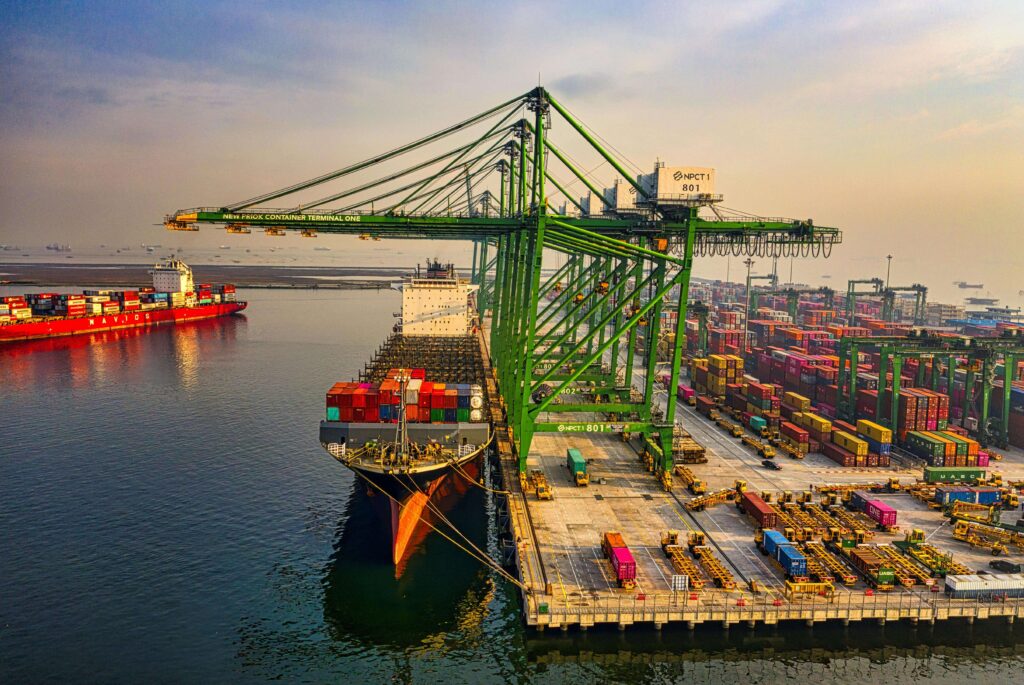
Outbound Transportation
Mode Selection and Load Consolidation
A 3PL typically evaluates outbound orders through a cost-and-service lens:
- Parcel vs. LTL vs. TL
- Pool distribution or zone-based strategies
- Consolidation opportunities (multiple orders to one region or customer)
Even simple consolidation can reduce per-unit transportation cost while improving trailer utilization.
Multi-Carrier “Rate Shopping” With a Tms
A Transportation Management System (TMS) can automate:
- Carrier selection rules
- Rate comparisons across approved carriers
- Tendering, documentation, and tracking
The real gain is not just cheaper rates. It is consistent decision-making at scale, especially when shipment volume spikes.
Real-Time Tracking and Exception Management
Tracking is valuable only if it changes outcomes. Efficient 3PLs use:
- ETA monitoring and exception alerts
- Proactive rescheduling when delays occur
- Faster customer communication when service impacts are unavoidable
This is particularly important for retail and distribution environments where delivery windows are strict.
Compliance and OTIF Mindset
For retail-facing supply chains, delivery performance is often evaluated through OTIF (On Time, In Full). OTIF standards vary by customer, and inconsistent definitions across organizations is a known challenge, which is why many shippers formalize their OTIF measurement approach.
A 3PL improves OTIF by controlling what it can:
- Accurate pick/pack and scan verification
- Carrier selection based on lane performance, not just cost
- Ship-by discipline tied to dock and labor planning
How 3PLs Streamline Transportation From Supplier to Customer
Step 1: Forecast Demand and Translate It Into Transportation Needs
Good forecasting is not only about inventory. It determines:
- Inbound freight cadence (how often the product must arrive)
- Outbound ship volume by region and service level
Step 2: Secure Capacity and Set Carrier Rules
Before a surge hits, a 3PL typically:
- Sets primary and backup carriers by lane
- Defines mode rules (for example, “LTL under X pallets unless time-critical”)
- Documents accessorial expectations to reduce surprise charges
Step 3: Connect WMS and TMS
When WMS and TMS are coordinated:
- Inbound appointments reflect real dock availability
- Outbound shipping labels, carrier selection, and cutoffs stay aligned
- Inventory updates support accurate customer promises
Step 4: Engineer the Dock and Staging Flow
This is where efficiency becomes visible:
- Inbound receiving lanes prevent congestion
- Outbound staging is organized by carrier and route
- Cross-dock lanes reduce storage and extra touches
Step 5: Monitor Core KPIs and Fix Root Causes
Common transportation KPIs:
- On-time pickup and on-time delivery
- Cost per shipment and cost per unit
- Dock-to-stock cycle time
- claims rate and damage rate
- OTIF (where relevant)
Step 6: Use Performance Data Continuously
The goal is not “fastest” or “cheapest.” It is controlled trade-offs:
- Upgrade service level when the late risk is costly
- Consolidate when transit time allows
- Redesign lanes when volume patterns shift
Frequently Asked Questions (FAQs)
How do 3PLs handle accessorial charges like detention, liftgate, and redelivery?
They reduce exposure by standardizing appointment rules, verifying delivery requirements upfront, using correct freight class and dimensions, and auditing carrier invoices to catch preventable fees.
What documents should be standardized to prevent inbound and outbound transportation delays?
Common essentials include purchase order references, bill of lading accuracy, packing lists, commercial invoices (when applicable), and consistent labeling and carton IDs for fast receiving and scanning.
How do 3PLs manage returns transportation (reverse logistics) without disrupting outbound shipping?
They separate returns from outbound flow using dedicated processing lanes, clear inspection/disposition rules, and transportation rules for consolidation or refurbishment moves.
What is the difference between parcel zone skipping and pool distribution?
Zone skipping moves consolidated packages closer to the destination region before injecting into a parcel network. Pool distribution ships consolidated freight to a regional pool point and then breaks it into local deliveries. Both can reduce per-unit cost when volume is consistent.
How do 3PLs prevent chargebacks and compliance penalties from big-box retailers?
They build retailer-specific SOPs for routing guides, carton labeling, ASN timing, and appointment requirements, then validate compliance through scan checkpoints and documentation controls before freight tenders.
When Does It Make Sense to Outsource Logistics to a 3PL
Partner With 3PL Logistics by Best To Strengthen Your Strategy
If your organization in New York, NY, is looking to improve freight visibility, reduce transportation waste, and scale without service breakdowns, consider working with 3PL Logistics By Best.
Our structured, technology-driven approach to inbound and outbound coordination is designed to help growing brands, retailers, and distributors operate with greater precision and confidence.