
Key Takeaways✔ LTL ships partial pallet loads by sharing trailer space to save money. ✔ LTL helps small businesses ship flexibly without full-truck volume. ✔ Logistics depends most on reliable, on-time, damage-free delivery. ✔ Pick carriers for coverage, performance, tech, and clear pricing. ✔ Avoid errors like wrong class, poor pallets, or missing fees. |
Table of Contents
Small businesses don’t need a full truck to ship like a pro—they need the right slice of one. That’s why many growing brands rely on LTL freight: it cuts costs, handles demand swings, and keeps customers satisfied without paying for unused space.
With margins tight and delivery expectations high, LTL trucking companies offer a flexible middle ground between parcel shipping and full truckload. Many owners also pair LTL with a 3PL or 3rd party logistics provider to align warehousing, fulfillment, and freight into one smoother supply chain.
What Is LTL Trucking?
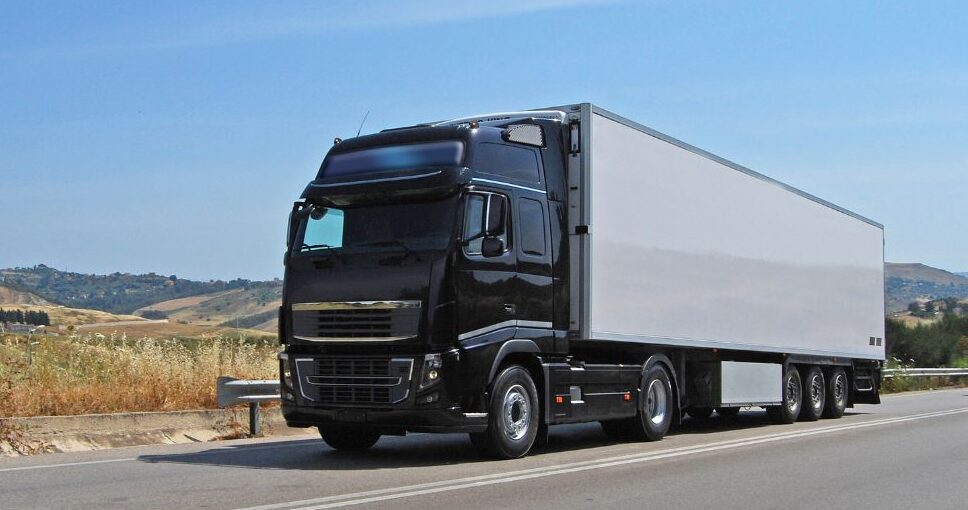
LTL stands for “less-than-truckload,” meaning shipments that don’t fill an entire trailer. Instead of paying for a full truck, multiple shippers share space on the same route. This shared model is the engine behind LTL in trucking: it consolidates freight from different businesses into a single, efficient load.
Here’s how it typically works.
A shipment is picked up, palletized, and moved to a terminal. From there, it’s combined with other freight, transported along a linehaul route, then delivered through a final-mile terminal. Many less than truckload carriers use hub-and-spoke networks to make this cost-effective and reliable.
Small businesses often rely on LTL companies when they’re shipping one to six pallets at a time—too big for a parcel, not big enough for a dedicated trailer. When paired with 3PL or 3rd party logistics support, small shippers get the bonus of managed routing, negotiated rates, and fewer operational headaches.
Why LTL Matters More for Small Businesses
Reason #1 — Cost-Efficiency
One of the biggest reasons small businesses choose LTL freight companies is cost control: freight is billed for the space actually used, not for an entire trailer that isn’t needed. That keeps shipping spend aligned with real volume and avoids paying full truckload rates for partial loads.
This model also prevents transportation waste and fits e-commerce especially well—less-than-truckload (LTL) services offer cost efficiency and flexibility for e-commerce businesses by consolidating shipments from multiple customers.
Reason #2 — Flexibility and Scalability
Demand shifts fast, and LTL is built for that reality. Small businesses with uneven order flow—like seasonal retailers, manufacturers, and e-commerce brands—often can’t predict next week’s shipment size, so LTL companies help absorb that uncertainty.
As online retail continues to grow, more shippers are turning to agile, cost-effective logistics options, which is fueling broader LTL demand across the market.
When volume climbs, extra pallets can be added without scrambling for full-truck space. When volume dips, shipping can scale back just as easily, avoiding the cost of paying for empty capacity.
Reason #3 — Enhanced Tracking and Visibility
Customers want to know where their order is, and most less than truckload carriers now deliver that with real-time tracking, scan updates, and ETA alerts. For small businesses, it’s the kind of visibility that feels enterprise-level without the enterprise cost.
Better tracking reduces “any update?” messages, improves reorder timing, and keeps delivery expectations clear. That dependability is a big reason many brands stick with LTL trucking companies once freight starts moving predictably.
Reason #4 — Environmental Benefits
LTL is inherently greener because it consolidates shipments. Instead of sending multiple partially filled trucks onto the road, LTL combines them into fewer, fuller trailers. That reduces the overall carbon footprint per shipment.
For small businesses trying to improve sustainability—whether for brand values, retailer requirements, or customer expectations—LTL becomes an easy win. Better trailer utilization supports a cleaner transport model without requiring the business to reinvent its operations.
Reason #5 — Access to Extensive Networks
Most LTL trucking companies operate wide regional and national networks. That means small businesses can ship beyond their local area without stitching together multiple small carriers themselves.
This reach matters. It enables market expansion into new cities, states, or hard-to-service rural areas. For brands with growth ambitions, access to established freight lanes makes scaling sales much easier than building a custom carrier web from scratch. Many LTL freight companies also partner across networks, giving even small shippers a surprisingly broad footprint.
Reason #6 — Improved Security and Handling
LTL shipments are typically palletized and secured, which reduces damage compared to loose parcel shipping. Freight moves through docks designed for heavier goods, with forklifts, straps, and staged transfer processes.
Because LTL freight companies handle fewer single packages and more unitized loads, the risk of mishandling goes down. That’s especially helpful for fragile, high-value, or bulky products. The simple act of shrink-wrapping and labeling pallets correctly makes claims less likely—and easier to resolve if they happen.
For shippers who care about product condition at delivery, LTL is a clear step up in safety.
Reason #7 — Specialized Services
Small businesses also rely on LTL because it isn’t one-size-fits-all. Many providers offer liftgate delivery, inside pickup, residential drop-offs, time-definite shipping, and appointment scheduling. These extras help shipments fit the real-world needs of customers and job sites.
When evaluating the best LTL carriers, specialized options are often the difference between “good enough” and “ideal partner.” Many LTL companies choose carriers based on these tailored services, not just price. The right carrier doesn’t just move freight—they make delivery practical for how the business actually operates.
What Is the Most Essential Element in Logistics?
The most essential element in logistics is reliability—moving the right product to the right place, at the right time, in the right condition, at the right cost. Everything else supports that goal.
Reliability depends on visibility, coordination, and risk management. That’s why LTL in trucking works so well for smaller shippers: established networks and terminal systems create dependable freight flow without demanding full-truck volumes.
How to Choose the Right LTL Trucking Company
The right fit depends on more than rates. Businesses should look at lane coverage, terminal density, on-time performance, claims ratios, and technology. Great tracking tools and proactive communication can save hours each week.
Working with less than truckload carriers that offer clear pricing and a clean claims process prevents future friction. Many owners shortlist the best LTL carriers by asking one question: “Will this carrier make my shipping easier six months from now?” If the answer is yes, it’s usually the right choice.
Common LTL Shipping Mistakes Small Businesses Should Avoid
The right fit depends on more than rates. Businesses should look at lane coverage, terminal density, on-time performance, claims ratios, and technology. Great tracking tools and proactive communication can save hours each week.
Working with less than truckload carriers that offer clear pricing and a clean claims process prevents future friction. Many owners shortlist the best LTL carriers by asking one question: “Will this carrier make my shipping easier six months from now?” If the answer is yes, it’s usually the right choice.
Common LTL Shipping Mistakes Small Businesses Should Avoid
The top mistakes are preventable: incorrect freight class, sloppy pallet wrapping, failing to request needed accessorials (like liftgates), or picking carriers solely on the lowest quote. These errors create re-bills, delays, and damaged freight.
Understanding LTL in trucking basics—especially prep and classification—helps small businesses avoid costly surprises and keep deliveries smooth.
Frequently Asked Questions
What kinds of products are a good fit for LTL shipping?
LTL works best for palletized or crated goods that don’t fill a full trailer. Common fits include retail inventory, industrial parts, furniture, equipment, and bulk e-commerce stock. It’s also ideal for items too large or heavy for parcel shipping.
What should a business expect for pickup and delivery windows?
LTL pickups and deliveries usually happen within a set window, not an exact time. The window depends on region, lane, and terminal coverage. Faster or appointment-based options are often available for a fee.
What happens if an LTL shipment gets damaged?
The receiver should note damage on the delivery receipt and take photos right away. Carriers typically ask for proof of value, packaging, and damage to process a claim. Proper palletizing helps both prevent damage and support claims.
How does LTL shipping impact inventory planning?
LTL transit times are generally steady but not same-day fast. That predictability helps businesses plan restocks more accurately. Tracking updates also make arrival timing easier to forecast.
When might LTL not be the best choice?
LTL isn’t ideal for highly urgent shipments, sensitive freight, or loads near full-truck size. It can also struggle on low-coverage lanes. In those cases, full truckload, expedited, or specialized service may be better.
Get Trusted Logistics Support in New York, NY!
Businesses in New York, NY can count on 3PL Logistics By Best for dependable logistics coordination, clear pricing, and shipment visibility that supports growth without added overhead. From local fulfillment to broader distribution, companies across New York, NY stay covered with flexible solutions that keep deliveries consistent and customers informed in New York, NY.
Contact 3PL Logistics by Best today to get started!