
7 Cs of Logistics
1. Coordination
Aligning suppliers, carriers, warehouses, and fulfillment teams so operations run smoothly and delays are minimized. Strong coordination is often supported by logistics management solutions and shared data.
2. Communication
Clear, real-time information keeps logistics plans on track. Tools powered by ai in logistics and logistic management software help teams respond quickly to issues.
3. Costs
Logistics costs include transportation, storage, labor, and inventory. Data-driven logistics technology solutions help businesses control costs without sacrificing reliability.
4. Compliance
Meeting regulatory and industry requirements is critical. This is especially important for operations involving cold chain management, where accuracy and monitoring are essential.
5. Capacity
Ensuring sufficient space, labor, and transportation to meet demand. Many businesses rely on 3PL companies for flexible, scalable capacity.
6. Customer Satisfaction
On-time, accurate delivery directly impacts customer trust. Consistent processes supported by logistics management solutions improve service reliability.
7. Continuous Improvement
Logistics must evolve as conditions change. Performance tracking and artificial intelligence in logistics help identify improvements over time.
Use of Logistics Management Solutions in 3PL
Logistic Management Software and Operational Visibility
Logistic management software gives businesses real-time visibility into inventory, shipments, and performance. This growing reliance on data-driven tools reflects a broader industry shift, as the global AI in logistics and supply chain market is projected to grow at a compound annual rate of nearly 26% from 2025 to 2034.
Logistics Technology Solutions Driving Efficiency
Modern logistics technology solutions—including cloud systems and automation tools—help reduce errors, improve forecasting, and support growth. When paired with experienced operators, technology delivers insight while teams ensure practical execution.
AI in Logistics and Smarter Supply Chain Decisions
AI in logistics supports demand forecasting, route optimization, and risk detection by analyzing large data sets quickly. Companies that use AI in logistics have reported inventory level improvements of up to 35%, enabling better decision-making and helping teams stay proactive rather than reactive.
Artificial Intelligence in Logistics and Continuous Improvement
Artificial intelligence in logistics enables ongoing optimization by tracking performance trends and identifying improvement opportunities. Businesses using AI are better equipped to adapt as supply chain conditions evolve.
What Are the Main Types of Logistics?
Most supply chains rely on a few core logistics types, each serving a specific role:
- Inbound Logistics: Movement of goods from suppliers to warehouses or production sites, supported by planning and logistics management solutions.
- Outbound Logistics: Storage, fulfillment, and delivery to customers, often managed with logistic management software.
- Reverse Logistics: Handling returns, repairs, and product disposal to reduce waste and recover value.
- Third-Party Logistics (3PL): Outsourcing execution to 3PL companies for warehousing, fulfillment, and transportation coordination.
- Specialized Logistics: Operations such as cold chain management, where temperature control and compliance are critical.
What Are the Six Functions of Logistics?
Logistics operations are built around six essential functions:
- Transportation: Moving goods efficiently using optimized routes and modes.
- Warehousing: Storing, organizing, and preparing inventory for fulfillment.
- Inventory Management: Balancing stock levels using data and ai in logistics forecasting.
- Order Processing: Converting orders into accurate, on-time shipments.
- Packaging and Material Handling: Protecting goods while improving handling efficiency.
- Information Flow and Reporting: Connecting activities through data and logistics management solutions.
What Are the 4 Types of Transportation in Logistics?
Most supply chains use a mix of transportation options:
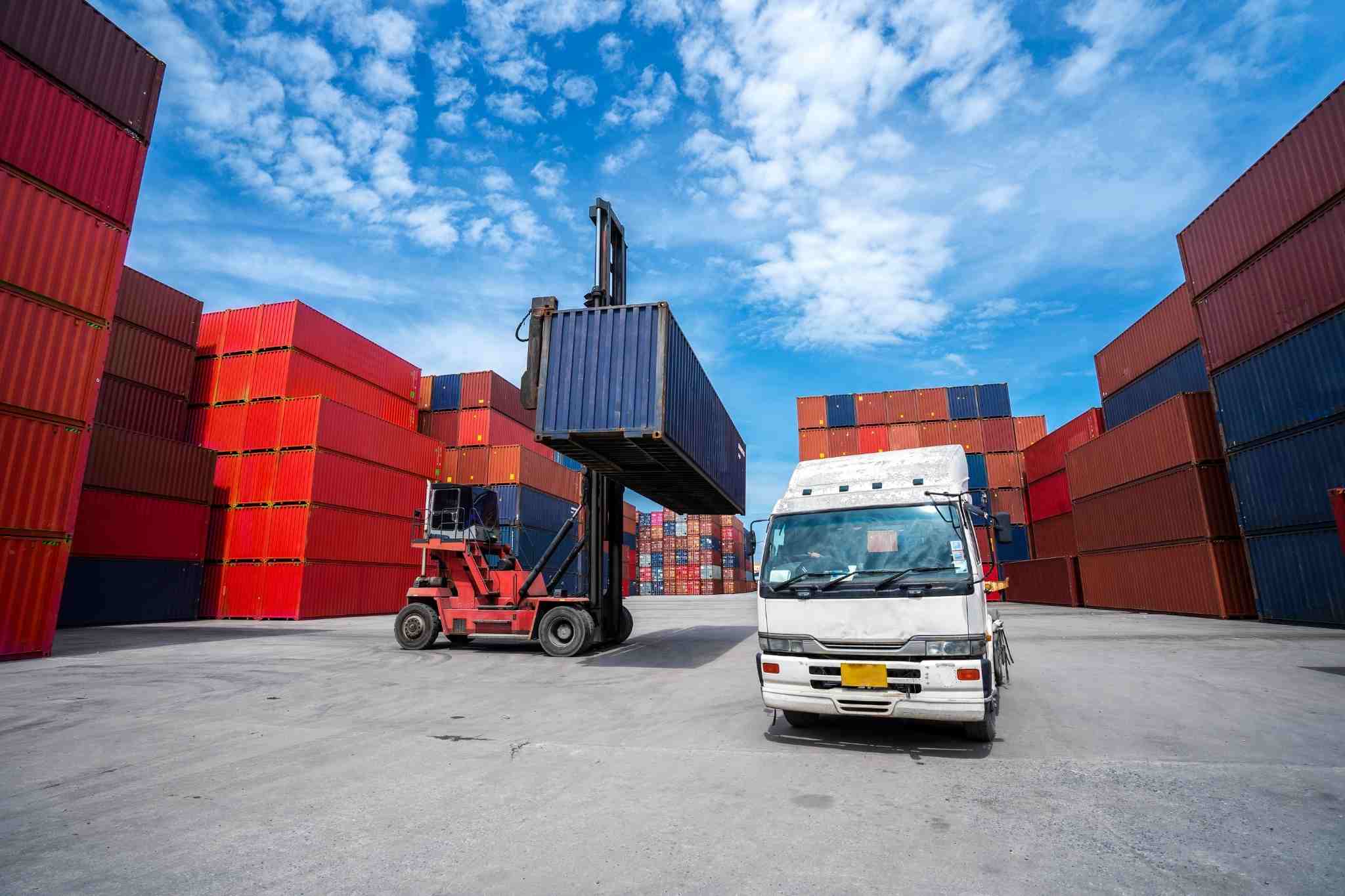
- Road Transportation: Flexible and ideal for regional and urban deliveries.
- Rail Transportation: Cost-effective for large volumes over long distances.
- Air Transportation: Fastest option for time-sensitive or high-value shipments.
- Sea Transportation: Essential for international trade and high-volume cargo.