
Quick Facts
- Modern 3PLs help businesses turn logistics into a smarter, more strategic part of growth.
- Real-time data and better visibility help companies make faster supply chain decisions.
- Flexible warehousing and logistics capacity make it easier to manage growth and changing demand.
- Strong 3PL support can reduce costs, improve delivery performance, and strengthen resilience.
- Choosing the right 3PL means looking at technology, scalability, experience, and overall value.
What’s In This Guide
- What Is a Modern 3PL? (And How It Differs From Traditional Providers)
- Why Supply Chain Strategy Matters More Than Ever
- 7 Key Ways Modern 3PLs Improve Supply Chain Strategy
- How to Choose the Right Modern 3PL for Your Business
- Frequently Asked Questions
- Strengthen Your Supply Chain Strategy With the Right 3PL Partner.
Supply chains are becoming more complex, and businesses are under growing pressure to move faster, operate more efficiently, and stay flexible. In the U.S. economy, supply chain management plays a central role in moving goods from manufacturers to consumers, which makes it far more than a back-end function. It now has a direct impact on how businesses compete, serve customers, and support long-term growth.
As that role continues to expand, modern logistics partners are becoming more important to overall supply chain performance. With better systems, stronger visibility, and more flexible operations, they help businesses manage complexity more effectively and make smarter decisions across the supply chain.
Here are the key ways modern 3PLs guide better supply chain strategy.
What Is a Modern 3PL? (And How It Differs From Traditional Providers)
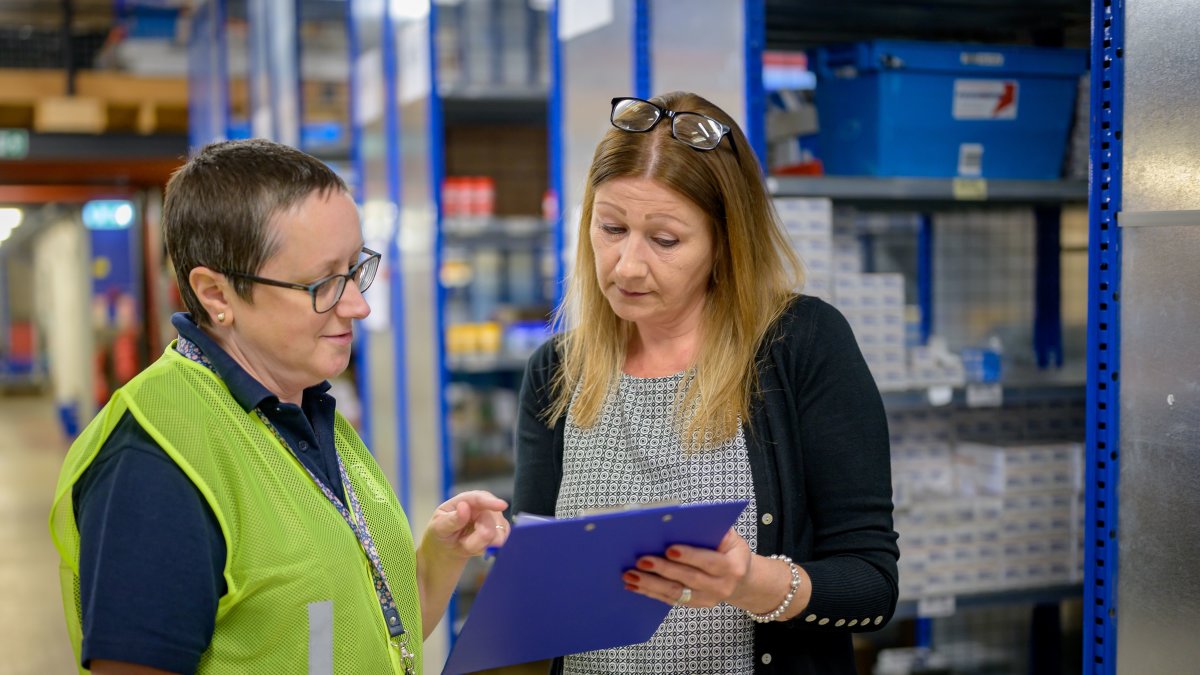
A 3PL (third-party logistics) provider manages logistics functions such as warehousing, transportation, and fulfillment for businesses. But the role of third-party logistics providers has changed significantly. Traditional providers mostly handled storage and shipping, while modern 3PLs play a more strategic role in 3PL supply chain management.
Modern 3PLs use tools like Transportation Management Systems (TMS) and Warehouse Management Systems (WMS) to improve visibility, track inventory and shipments in real time, and support faster decision-making. Instead of simply reacting to issues, they help businesses plan. This shift has made 3PL in logistics more than just outsourced support. It is now an important part of business strategy.
Why Supply Chain Strategy Matters More Than Ever
Supply chains have become harder to manage and more important to get right. Customers expect fast delivery, accurate orders, and clear visibility into where their products are. At the same time, businesses are dealing with labor shortages, shifting demand, and ongoing disruptions.
These disruptions do real damage to business performance, and recent crises have made that even clearer. In other words, supply chain problems are not minor setbacks. They can affect how well a company operates, serves customers, and protects revenue.
A strong approach to 3PL in supply chain management helps businesses stay ahead by:
- Keeping inventory levels balanced and available
- Reducing delays and controlling shipping costs
- Adjusting quickly when demand or conditions change
Without a clear strategy in place, logistics becomes reactive, expensive, and difficult to scale.
7 Key Ways Modern 3PLs Improve Supply Chain Strategy
Data-Driven Decision Making
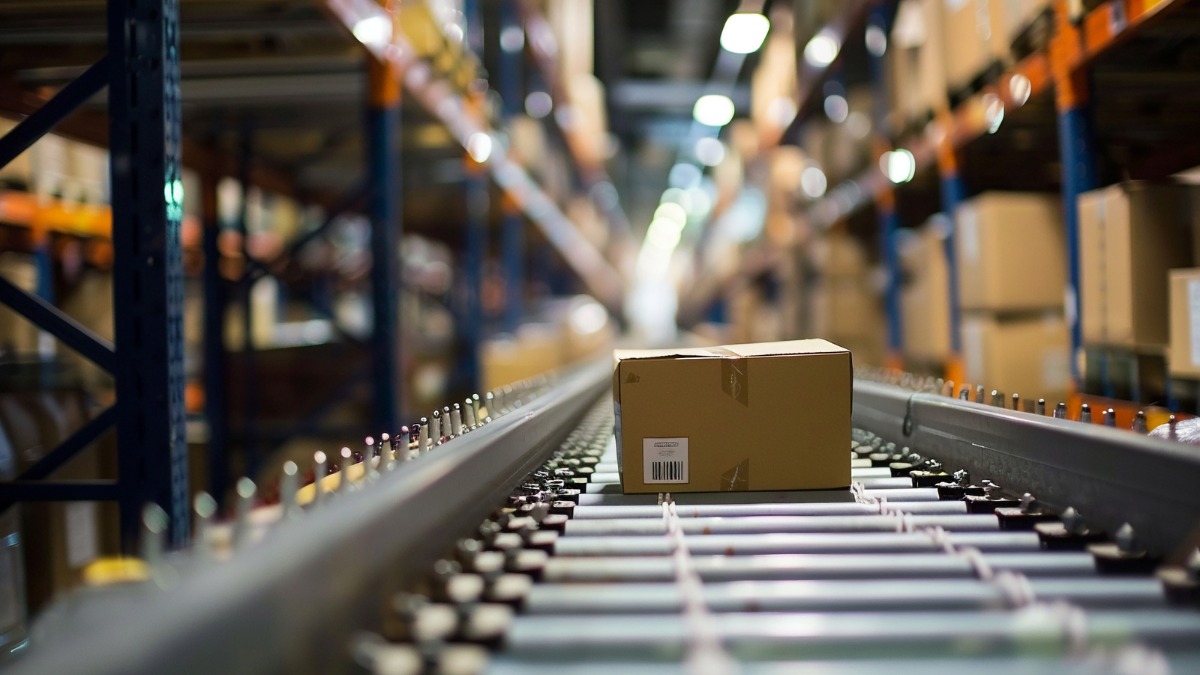
Modern 3PLs provide real-time visibility into operations using advanced systems. TMS and WMS platforms collect and analyze data on inventory, shipments, and performance.
This allows businesses to:
- Monitor stock levels across multiple locations
- Identify inefficiencies in transportation routes
- Make adjustments based on live demand signals
For example, a retailer can reallocate inventory to high-demand regions before shortages occur. This shift from reactive to proactive decision-making is central to effective 3PL supply chain management.
Predictive Demand Planning
Accurate forecasting is one of the biggest challenges in logistics. Modern 3PLs use AI and historical data to improve demand planning.
By analyzing trends, seasonality, and market behavior, they help businesses:
- Reduce stockouts
- Avoid overstocking
- Optimize inventory turnover
For instance, e-commerce brands can prepare for seasonal spikes without overcommitting resources. This leads to lower carrying costs and improved customer satisfaction.
Scalability and Flexibility
One of the most valuable advantages of working with third-party logistics providers is scalability. Businesses can expand or reduce logistics capacity based on demand without investing in permanent infrastructure.
This flexibility is especially important for:
- Seasonal businesses
- Rapidly growing companies
- Businesses entering new markets
Instead of committing to long-term warehouse leases, companies can use shared or on-demand space. This makes 3PL in logistics a cost-effective solution for dynamic operations.
Strategic Network Optimization
Modern 3PLs design logistics networks that minimize cost and maximize efficiency. This includes optimizing warehouse locations, transportation routes, and shipping methods.
Key strategies include:
- Freight consolidation to reduce shipping costs
- Multi-node distribution to shorten delivery times
- Route optimization to improve efficiency
For example, placing inventory closer to customers reduces last-mile delivery time, which directly impacts customer satisfaction.
Building Supply Chain Resilience
Resilience has become a top priority for businesses. Modern 3PLs help mitigate risk through diversified networks and flexible strategies.
This includes:
- Using multiple carriers and shipping routes
- Operating across multiple warehouse locations
- Supporting nearshoring to reduce dependency on distant suppliers
Sustainability Integration
Sustainability is increasingly important for both businesses and consumers. Modern 3PLs support environmental goals through more efficient logistics practices.
These include:
- Route optimization to reduce fuel consumption
- Use of energy-efficient warehouses
- Adoption of electric delivery vehicles
Access to Expertise and Advanced Technology
Building an in-house logistics network with advanced capabilities is costly and complex. Modern 3PLs provide access to experienced professionals and cutting-edge tools.
Businesses benefit from:
- Logistics engineers and supply chain specialists
- Proven operational frameworks
- Continuous process improvement
How to Choose the Right Modern 3PL for Your Business

Step 1: Assess Your Supply Chain Needs
Start by identifying gaps in your current operations, such as delays, high costs, or limited visibility. Understanding these issues helps you choose a provider that directly addresses your biggest challenges.
Step 2: Evaluate Technology Capabilities
Look for providers that offer real-time tracking, analytics, and seamless system integration. Strong technology ensures better visibility and more informed decision-making.
Step 3: Consider Scalability
Make sure the provider can support your business as it grows, including handling seasonal demand and fluctuating order volumes without disruption.
Step 4: Review Network and Location
Choose a provider with warehouse locations that improve delivery speed and reduce shipping costs, especially in key markets.
Step 5: Check Industry Experience
A provider with relevant industry experience will better understand your product requirements, compliance needs, and operational challenges.
Step 6: Analyze Cost vs. Value
Compare pricing, but focus on the overall value. Better service, accuracy, and efficiency often lead to greater long-term savings.
Frequently Asked Questions
How do businesses know when to use a 3PL?
Businesses often consider a 3PL when logistics becomes difficult to manage in-house. Common signs include rising shipping costs, frequent delays, or inventory issues. Growth, expansion into new markets, or increased order volume can also trigger the need.
What industries benefit most from 3PL services?
Many industries benefit from 3PL services, especially those with complex or high-volume logistics needs. E-commerce, retail, manufacturing, and distribution are among the most common. These industries rely on fast fulfillment and accurate inventory management.
What should businesses expect during onboarding with a 3PL?
During onboarding, the 3PL typically reviews your current processes, systems, and inventory setup. They work to integrate their systems with yours and align workflows. Initial setup may involve data migration and process adjustments. Once complete, operations transition into a more streamlined structure.
What risks can a 3PL help reduce?
A 3PL helps reduce risks related to delays, inventory shortages, and operational inefficiencies. It provides backup solutions such as multiple carriers or warehouse locations. This reduces dependency on a single point of failure. As a result, businesses are better prepared for disruptions.
How do businesses measure the success of a 3PL partnership?
Success is usually measured through key performance indicators such as delivery times, order accuracy, and cost savings. Businesses also look at improvements in efficiency and customer satisfaction. Consistent performance over time is a strong indicator of a good partnership.
Strengthen Your Supply Chain Strategy With the Right 3PL Partner.
Modern supply chains require more than basic logistics support. They demand data, flexibility, and strategic insight. A well-chosen partner can transform logistics into a competitive advantage, improving efficiency, reducing costs, and increasing resilience.
For businesses looking to enhance their operations in a complex market like New York, NY, working with an experienced provider such as 3PL Logistics By Best can provide the expertise and infrastructure needed to build a smarter, more adaptable supply chain.
Get in touch with 3PL Logistics By Best to streamline your logistics and build a more efficient, scalable supply chain.