
What’s In This Guide
Selling through a brand website, marketplaces, retail partners, and wholesale accounts can expand reach, but it also creates a warehouse problem: every channel competes for the same inventory while following different order, packing, labeling, and shipping requirements.
That is where a third-party logistics provider can help. The core of omnichannel fulfillment is not simply shipping from one building. It is keeping one operational view of inventory while executing each order according to the channel that created it.
Quick Facts
- Shared inventory reduces the need to reserve separate stock for every sales channel.
- Order synchronization helps move channel orders into one fulfillment workflow.
- Routing rules determine where and how each order should be picked, packed, and shipped.
- Channel-specific requirements can be built into warehouse processes instead of handled manually.
- Real-time inventory visibility helps teams respond faster to stock changes, exceptions, and demand shifts.
What Is Omnichannel Fulfillment?

Omnichannel fulfillment is the coordination of inventory, orders, warehouse activity, and delivery across multiple selling channels. A customer may buy from a direct-to-consumer site, a marketplace, a retail partner, or another channel, but the warehouse still needs an accurate view of available stock and a repeatable way to execute the order.
E-commerce continues to represent a significant share of U.S. retail activity. The U.S. Census Bureau reported that e-commerce accounted for 17.1% of seasonally adjusted total U.S. retail sales in the second quarter of 2026. For businesses selling across multiple digital channels, fragmented inventory records can create greater fulfillment and stock-management challenges.
How 3PL Warehouses Support Omnichannel Fulfillment
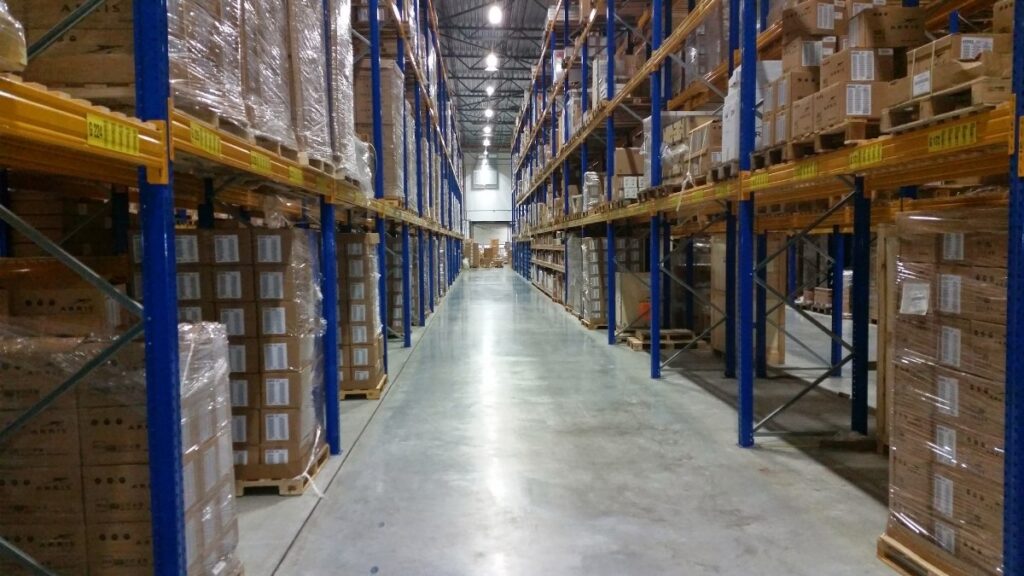
A 3PL warehouse acts as the execution layer between selling systems and physical inventory. Instead of operating separate stock pools and fulfillment routines for each channel, businesses can use shared warehouse inventory with rules that determine how orders are released and completed.
1. Shared Inventory Across Channels
A centralized inventory pool lets multiple channels draw from the same physical stock. When units are received, put away, picked, packed, returned, or adjusted, the warehouse management system updates inventory records so connected channels can work from more consistent availability data.
GS1 US® emphasizes that accurate product identification and inventory visibility support faster fulfillment and better inventory management. Standardized identifiers and scanning also make it easier to track products by location and quantity.
2. Order Synchronization and Routing
Orders from ecommerce platforms, marketplaces, retailer systems, or wholesale accounts can flow into a warehouse management or order management environment. Routing rules then determine the right workflow based on factors such as destination, service level, inventory location, carrier option, cutoff time, or channel requirement.
This reduces the need for staff to copy orders between systems or decide every fulfillment path manually.
3. Channel-Specific Warehouse Execution
Not every order should be packed the same way. One marketplace may require a specific label. A retail partner may require carton markings, routing guides, or pallet configurations. A direct-to-consumer order may need branded inserts or parcel shipping.
A 3PL can map those requirements to warehouse workflows so pickers, packers, and shipping teams follow the correct process for each order type.
4. Inventory Visibility and Fulfillment Exceptions
Omnichannel operations create exceptions: short picks, damaged units, oversells, address problems, split shipments, backorders, or carrier issues. A connected 3PL workflow gives operations teams a central place to identify exceptions and determine the appropriate next step, such as reallocating stock, holding an order, applying an approved alternate shipping method, or escalating the issue to the appropriate sales channel.
Inventory visibility helps businesses understand what inventory they have, where it is located, and how much is available. That visibility is essential when several channels depend on the same stock.
How to Set Up an Ecommerce Fulfillment System for Multiple Channels
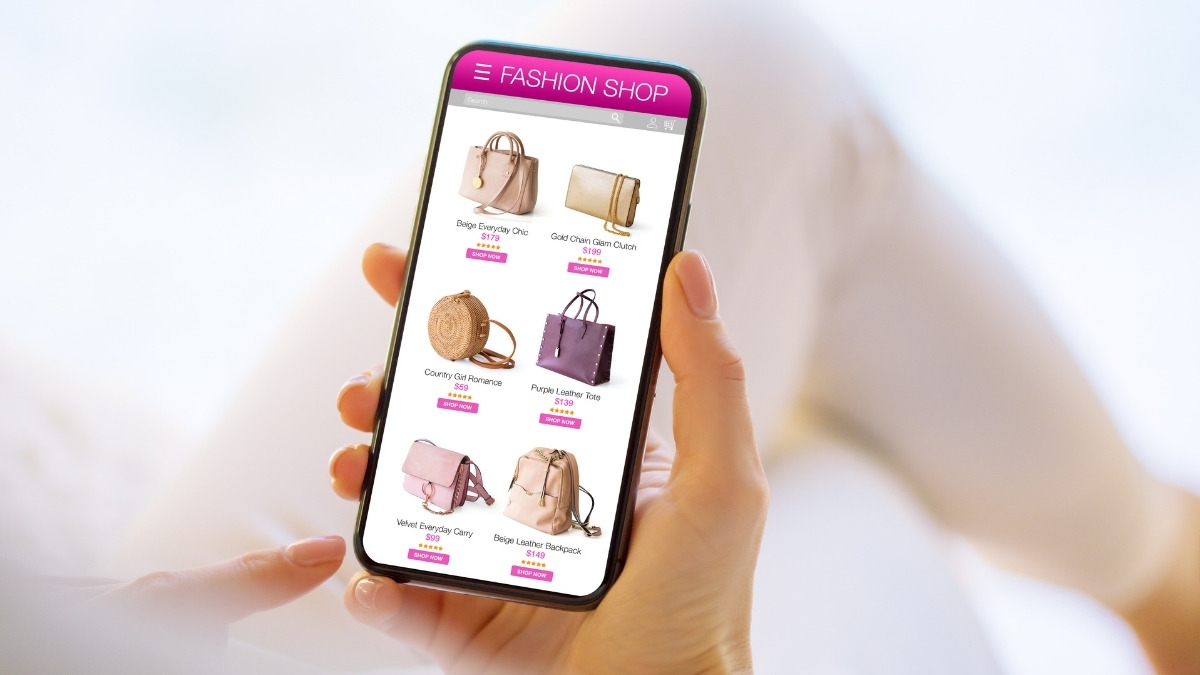
- Map every sales channel and order source. Document where orders originate and what data each channel sends.
- Define one inventory source of truth. Decide which system controls available, allocated, damaged, reserved, and returned inventory.
- Document channel rules. List packaging, labeling, carrier, service-level, cutoff, and routing requirements.
- Connect order and inventory data. Integrate storefronts, marketplaces, ERP or order systems, and the 3PL warehouse platform.
- Test exceptions before launch. Run scenarios for oversells, partial inventory, returns, cancellations, address errors, and late orders.
- Monitor accuracy after go-live. Track inventory adjustments, order errors, ship times, exception rates, and channel compliance.
What Are the Different Types of Ecommerce Fulfillment?
Common models include in-house fulfillment, outsourced 3PL fulfillment, marketplace fulfillment, dropshipping, and hybrid models that combine two or more approaches. For businesses selling through several channels, a 3PL model can centralize warehouse execution while still supporting different channel requirements.
Frequently Asked Questions
Can a 3PL support seasonal demand across multiple sales channels?
Often, yes, depending on the provider’s available capacity and planning. A 3PL may scale labor, allocate warehouse resources, adjust picking workflows, and coordinate shipping processes to help manage seasonal increases in order volume. Advance forecasting can help the provider prepare for expected demand spikes.
Can businesses add new sales channels after setting up 3PL fulfillment?
Yes. New marketplaces, storefronts, or retail partners can often be added by connecting the order source, mapping inventory data, and configuring the appropriate fulfillment rules. Testing the workflow before launch can help prevent order and inventory issues.
What should businesses look for in an omnichannel 3PL?
Look for strong system integrations, accurate inventory visibility, reliable reporting, returns capabilities, channel compliance support, and scalable warehouse operations. The provider should also be able to support both current and future sales channels.
Can a 3PL handle returns from multiple sales channels?
Yes. A 3PL can receive, inspect, sort, and process returns from different channels based on predefined rules. Eligible products may be restocked, while damaged or unsellable items can be routed for another disposition process.
How do businesses measure omnichannel fulfillment performance?
Common metrics include order accuracy, inventory accuracy, fulfillment time, exception rates, return rates, and on-time shipping performance. Tracking these metrics across channels can help identify operational gaps and recurring fulfillment issues.
Coordinate Multichannel Fulfillment With 3PL Logistics By Best

When several sales channels depend on the same inventory, warehouse execution needs to stay coordinated. 3PL Logistics By Best helps businesses manage inventory, fulfillment, warehousing, and distribution through one logistics partner.
Contact us to discuss a fulfillment workflow built around your sales channels and shipping requirements.