
Table of Contents
Key Takeaway
✔ Trailer trucks are the backbone of U.S. freight, moving over 70% of all goods nationwide.
✔ A typical semi trailer measures between 48 and 53 feet, maximizing cargo capacity.
✔ Different types of trailers—like flatbeds, reefers, and dry vans—serve specialized freight needs
✔ Freight brokerage connects shippers with the best carriers for efficient, cost-effective transport.
✔ A well-maintained trailer truck engine can last over a million miles, proving its long-term durability.
From cross-country deliveries to local logistics in New York, trailer trucks move nearly everything we depend on — from groceries to construction materials.
In fact, trucks haul about 11.5 billion tons of freight across the U.S. each year — almost seven times more than rail — making trailer trucks the backbone of domestic trade and logistics.
But behind every massive haul is a fascinating world of engineering, precision, and strategy that most people overlook.
What Is a Trailer Truck and Why It’s the Backbone of Freight Brokerage
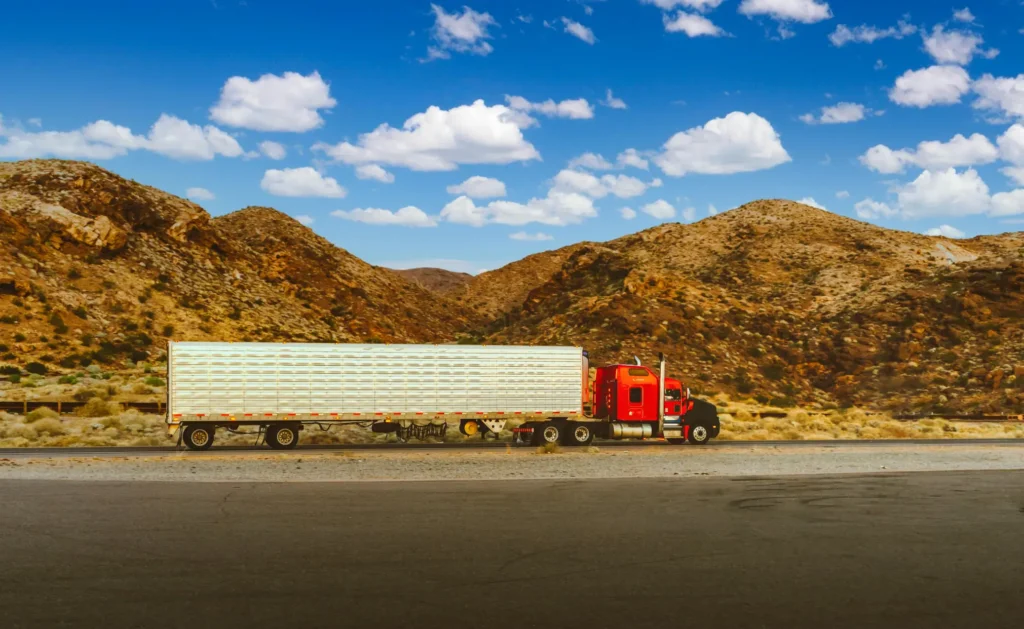
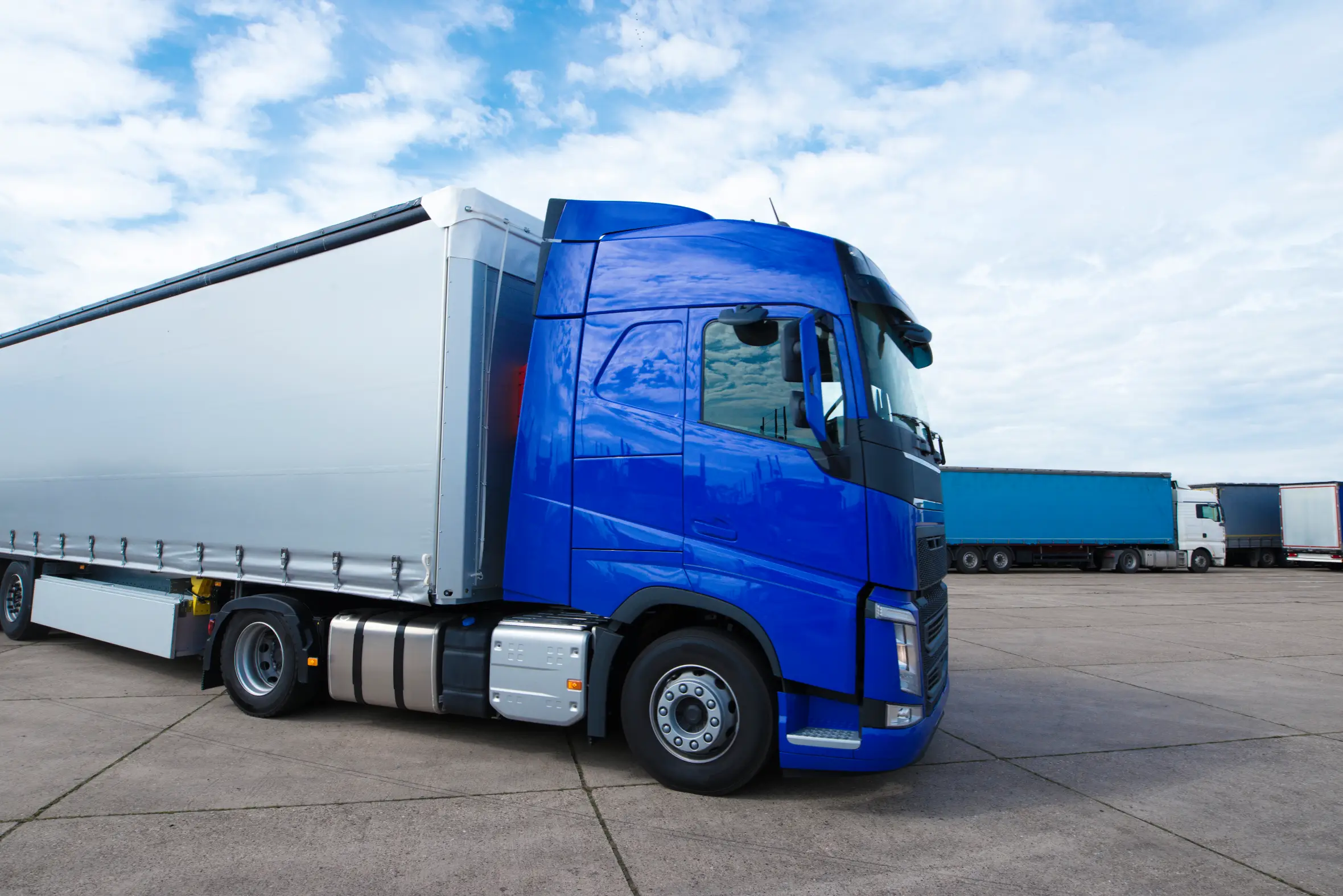
A trailer truck — also known as a tractor-trailer or semi-truck — is a two-part vehicle combining a tractor (the engine) and a trailer (the cargo container). This structure allows maximum cargo flexibility and capacity.
Federal data shows that about 74% of U.S. freight travels less than 250 miles, proving trailer trucks are the backbone of regional and same-day logistics—not just long hauls.
For businesses, freight brokerage simplifies the process of finding the right trailer truck for each shipment. Instead of negotiating directly with carriers, companies like 3PL Logistics By Best connect shippers with vetted, compliant, and efficient trucking partners — saving time and money.
10 Facts About Trailer Trucks
1. The name “semi-truck” means half a trailer
The term “semi-truck” comes from the semi-trailer, which is essentially half a trailer — it doesn’t have a front axle. Instead, it connects to the tractor (the truck’s front section) for support and hauling power. This design makes the trailer truck flexible and capable of transporting enormous loads across long distances.
2. A tractor-trailer needs twice as long to stop as a car
A loaded trailer truck can weigh over 80,000 pounds, meaning it takes almost twice the stopping distance of a car. That’s why freight brokerage professionals carefully plan routes and timing, ensuring safety and compliance for every driver and shipment.
3. Many trailer trucks have up to 18 gears
Unlike cars, which typically have 5 or 6 gears, heavy-duty trailer trucks can have up to 18 gears. Each gear helps balance power and fuel efficiency for different terrains — from steep mountain grades to congested urban streets in New York. Skilled drivers use these gears to optimize every haul.
4. The first semi-truck was invented to deliver cars
The world’s first semi-trailer truck was built in 1898 by Alexander Winton — and it was designed specifically to deliver cars to customers. Today, innovation continues in the logistics industry as freight brokerage firms adopt smarter routing technologies and automated load-matching systems.
5. Some refrigerated trailers have a “fruit door”
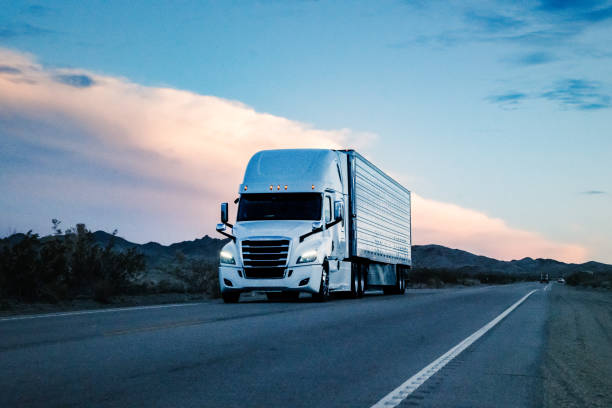
Ever noticed a smaller door at the top of a refrigerated trailer? It’s called a “fruit door,” designed to allow quick access to fresh produce or air circulation during loading. For businesses moving perishables in and around New York, these trailers are crucial to maintaining product quality throughout transit.
6. Drivers often use “drop axles” for heavier loads
When cargo exceeds certain weight limits, drivers can lower “drop axles” to distribute the weight more evenly. This helps protect roads, reduce tire wear, and comply with state and federal regulations. Freight brokers often consider axle configurations when coordinating shipments for clients.
7. A trailer’s quilted doors are designed to reduce glare
Those diamond-patterned trailer doors you see aren’t just aesthetic — they’re functional. The quilted design helps reflect light evenly, reducing glare for other drivers on the road. Every detail of a trailer truck is engineered with safety in mind, and freight professionals understand these nuances when selecting carriers.
8. The world’s largest semi-truck is French
France holds the record for the largest semi-trailer truck ever built — a behemoth used to haul massive industrial equipment. These oversized loads require specialized routing and permits, often coordinated through expert freight brokerage services.
9. Most trucking companies in the U.S. are small businesses
Despite the size of the industry, around 95% of U.S. trucking companies operate fewer than 10 trucks. This makes freight brokerage essential — brokers connect small carriers with large shippers, helping balance supply and demand while keeping goods moving smoothly across the country.
10. A semi-truck’s engine can last a million miles
A properly maintained trailer truck engine can easily surpass one million miles — a testament to its durability. This longevity is why freight brokers partner with trusted carriers who prioritize maintenance, ensuring reliability for every customer.
Different Types of Trailers
When it comes to hauling, not all trailers are created equal. Each is designed for specific cargo and environmental needs.
Common types of trailers include:
- Dry Vans: Standard enclosed trailers for packaged goods.
- Flatbeds: Open trailers for construction materials or oversized equipment.
- Reefers (Refrigerated Trailers): Ideal for temperature-sensitive goods.
- Lowboys: Designed for tall or heavy loads like machinery.
- Tankers: Used for liquids or chemicals.
Frequently Asked Questions
How long is a semi trailer?
Most semi trailers measure between 48 and 53 feet long, depending on cargo type and federal regulations. Knowing how long a semi trailer is helps freight brokers and shippers plan loads efficiently, ensuring every shipment is space-optimized and compliant.
What does a freight brokerage company do?
A freight brokerage acts as a link between shippers and carriers, managing logistics, negotiating rates, and ensuring timely delivery. Partnering with a broker like 3PL Logistics By Best helps businesses save time, reduce costs, and access a reliable network of trailer trucks and transport options.
What are the most common types of trailers used in trucking?
The most common types of trailers include dry vans, flatbeds, refrigerated (reefer) trailers, and tankers. Each type serves a specific cargo purpose — from general goods to temperature-sensitive materials — allowing freight brokers to match the right trailer to every load.
Why are trailer trucks important for small businesses?
Trailer trucks enable small and medium-sized businesses to move products quickly and efficiently, whether locally or across state lines. Through freight brokerage, even smaller shippers can access professional carriers and competitive pricing without owning a fleet.
What factors affect trailer truck shipping costs?
Shipping costs for a trailer truck depend on factors like distance, weight, trailer type, and fuel rates. Freight brokerage companies optimize these variables by finding the best carrier and load configuration to ensure cost-effective delivery.
Partner with 3PL Logistics By Best for Smarter Freight Solutions
At 3PL Logistics By Best, we help businesses in New York, NY, and beyond navigate this complex world with smarter, more efficient freight brokerage solutions. Whether you’re shipping consumer goods, perishables, or heavy equipment, our team connects you to reliable carriers and cost-effective strategies that keep your supply chain moving.
Contact us today to learn more!