
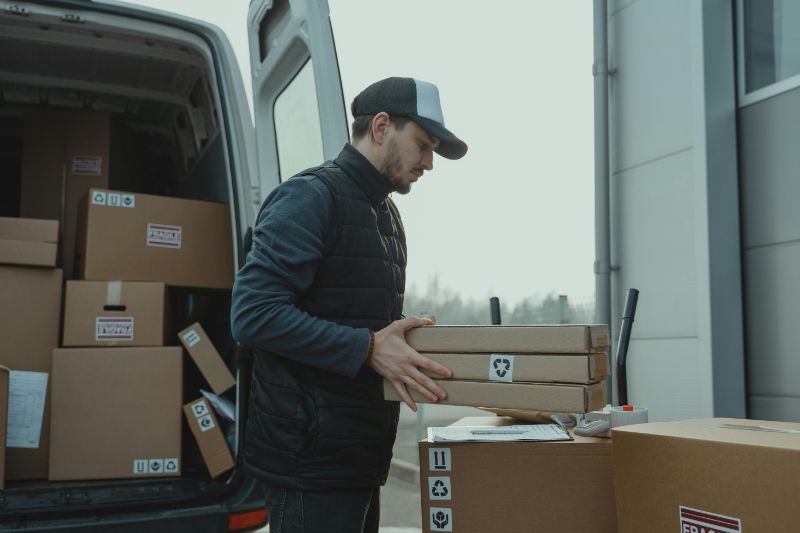
A 3PL is an outsourced partner that manages some or all of your fulfillment operations, including warehousing, inventory tracking, pick/pack, shipping, and returns.
Many 3PLs also handle freight, cross-docking, kitting, and other value-added services. These solutions help businesses reduce logistical complexity, control operating costs, and scale without building their own logistics infrastructure.
What's Inside
What To Remember
- A 3PL is an outsourced partner that handles warehousing, inventory tracking, fulfillment, shipping, and returns.
- A 3PL helps reduce operational complexity so your team is not stuck doing logistics work in-house.
- Most 3PL pricing includes receiving, storage, pick/pack, shipping costs, and returns fees.
- Strong 3PL relationships are managed with clear SLAs and KPIs like accuracy, on-time shipping, and inventory accuracy.
- The best 3PL fit depends on your product type, order complexity, customer geography, and tech integration needs.
What Is a 3PL Logistics Company?
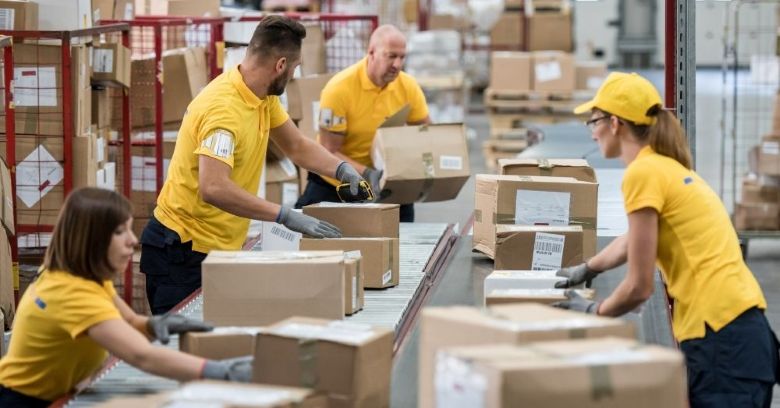
A 3PL (third-party logistics) company is an outsourced provider that runs some or all of a business’s logistics operations. In most cases, that includes warehousing, inventory tracking, order fulfillment (pick and pack), shipping coordination, and returns processing.
Instead of your team managing storage space, packing stations, carrier pickups, and return inspections in-house, the 3PL operates that day-to-day work on your behalf.
What a 3PL Logistics Company Does Day to Day
Receiving and Putaway
Your products arrive at the 3PL facility (from a manufacturer, importer, or supplier). The 3PL checks quantities, scans barcodes, and places inventory into storage locations. Some 3PLs support appointment scheduling and compliance labeling for inbound freight.
Warehousing and Storage
The inventory is stored in racking, shelving, bins, or pallet positions. Warehousing and storage operations exist to store goods securely and manage them responsibly, without selling the products they handle.
Inventory Tracking and Control
A 3PL uses a warehouse management system (WMS) to track what you have, where it sits, and what is available to sell. Inventory control may include cycle counts, lot tracking, expiration tracking, and exception handling (damages, shortages, mislabels).
Order Fulfillment
When a customer places an order on your site or marketplace, the order data flows to the 3PL. The 3PL picks items from storage, packs them to your rules, inserts any materials (like inserts or coupons), and produces shipping labels and tracking.
Shipping and Carrier Execution
The 3PL tenders packages to carriers (parcel and sometimes LTL freight), hands off tracking, and supports delivery issue workflows. Depending on your setup, the 3PL can help decide service levels, cartonization rules, and cutoff times.
Returns Processing
Returns are received, inspected, and routed based on your policy: restock, refurbish, quarantine, dispose, or return to vendor. For many brands, returns are where costs quietly inflate, so clear workflows matter.
Value Added Services
Many 3PLs also provide kitting, bundling, labeling, subscription assembly, display builds, and other light production steps. These extras can help standardize packaging and reduce hands-on work for your internal team.
How 3PL Pricing Works

3PL pricing is usually a set of line items rather than one flat fee. Pricing varies per provider, so it’s recommended to contact a trusted company like 3PL Logistics By Best to get accurate quotes.
The exact structure differs, but most agreements include some version of the following:
- Receiving: Fees for unloading, counting, and checking in inventory. Common units include per pallet, per carton, per SKU line, or per unit.
- Storage: Fees based on space consumed. Often billed per pallet position, per bin, or per cubic foot, typically monthly.
- Pick And Pack: Fees per order and per item, sometimes with separate packaging material charges. Some 3PLs price by order lines, which matters if your orders contain many SKUs.
- Shipping Postage: Carrier costs are generally passed through, and savings depend on the 3PL’s rate structure and your package profile.
- Returns: Fees per return, often with add-ons for inspection, repackaging, or refurbishment steps.
- Value Added Work: Kitting, labeling, custom packaging runs, and special projects are commonly billed hourly or per unit.
How to evaluate cost correctly: Build a model with your real order data. Compare a normal month and a peak month. Include the real cost of in house operations, not just labor. Space, equipment, damaged inventory, and management time are all real costs.
What To Expect During Onboarding
Most 3PL transitions fail for one of three reasons: bad item data, unclear rules, or rushed testing. A practical onboarding sequence looks like this. Onboarding varies per company, but these are general steps to expect:
Step 1: Clean Your Product Data
Make sure you have accurate SKUs, barcodes, weights, dimensions, case packs, and packaging requirements. If this data is wrong, every downstream cost estimate will be wrong.
Step 2: Define Your Fulfillment Rules
Set your standards for:
- Order cutoff time
- Shipping service selection rules
- Packaging and inserts
- Backorder behavior
- Split shipments policy
- Returns disposition rules
Step 3: Integrate Systems and Test
Do not skip testing. Confirm:
- Orders import correctly
- Inventory updates correctly
- Tracking pushes back correctly
- Cancelations and address changes behave correctly
- Exceptions appear in reports
Step 4: Start With a Pilot
Many brands start with one channel or a limited SKU set before switching everything.
Step 5: Review Performance Weekly at First
Early weeks are where you find packaging tweaks, SKU data errors, and pick path improvements.
Frequently Asked Questions (FAQs)
How long does it take to switch to a 3PL?
A typical transition often takes 2 to 8 weeks, depending on SKU count, how clean your product data is, integration needs, and how fast inventory can be inbounded and checked in. Complex catalogs, EDI requirements, or custom packing rules can push timelines longer.
Can a 3PL handle Amazon FBA prep and other marketplace requirements?
Many can, but you need to confirm exactly what they support, such as FNSKU labeling, polybagging, bundling, carton labeling, and appointment or routing requirements. Marketplace compliance is detail-heavy, so ask for a written scope.
What happens if inventory is lost or damaged in the warehouse?
Policies vary by provider and contract. Ask how they define and track “shrink,” how claims are handled, what documentation you will receive, and what limits or exclusions apply. Also confirm your insurance requirements and whether the 3PL offers coverage options.
Can I use my own packaging and branding materials with a 3PL?
Usually yes, but clarify the rules. Ask whether you can supply custom boxes, inserts, tape, and branded packing slips, and whether there are additional fees for special packing instructions or multiple packaging types.
What reports should a 3PL provide automatically?
At minimum, you should be able to get recurring reports for inventory on hand, inbound receipts, orders shipped, order exceptions, returns status, and billing detail. Also ask whether reports are available through a dashboard, scheduled email exports, or API access.
Choose Your Next Fulfillment Move
For many businesses, the right provider brings more consistency, better scalability, and clearer operational control without the cost and complexity of running a warehouse in-house.
If you want a fulfillment partner that supports warehousing, pick and pack, shipping, and returns workflows, 3PL Logistics By Best is worth considering as part of your comparison process.