
Outsourcing logistics to a 3PL makes sense when your current setup is starting to strain. Maybe orders are growing faster than your warehouse can handle, costs are creeping up, or you need more help with shipping, storage, or returns than your team can realistically cover.
The right 3PL can take work off your plate, help you keep service consistent, and let you grow without rushing into more space, more hires, or new systems. The wrong one can create delays, confusion, and extra fees.
Here, we’ll help you decide when a 3PL is worth it, what to compare, and what to watch out for.
What's Inside
What Matters Most
- Outsource to a 3PL when you are hitting capacity limits, missing ship times, or costs are rising.
- Compare total cost to serve, not just pick and pack pricing.
- A 3PL is most valuable when you need flexibility for spikes, returns, or rapid growth.
- A clear rate card plus measurable KPIs prevents surprise fees and blame games.
- The best results come from a structured onboarding with clean data and written SOPs.
7 Clear Signs You Should Consider a 3PL
1. You Are Growing Faster Than Your Current Operation Can Absorb
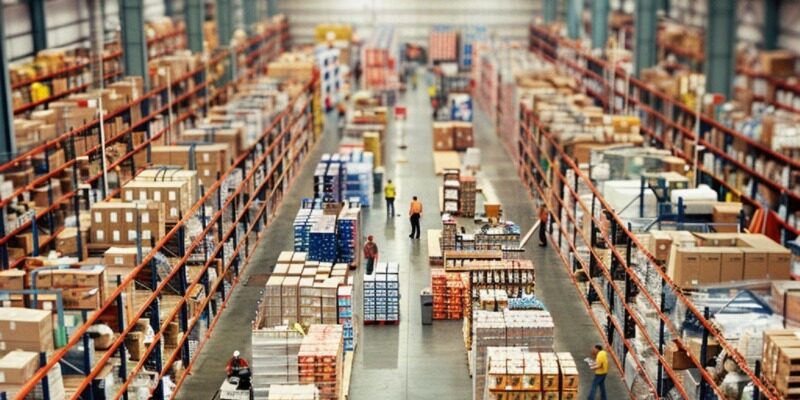
If your order volume is climbing, your warehouse capacity and labor model may not keep up. A 3PL can add space and staffing without you signing a long lease or building a new facility.
Rule of thumb: If you are forecasting a capacity step-change in the next 6 to 18 months, it is worth pricing a 3PL option alongside expanding your own footprint.
2. Your Demand Is Spiky or Seasonal
Seasonality can break an in-house setup because you usually end up stuck in one of two bad options:
- Overstaff and pay for extra labor and space when volume is low
- Understaff and misses SLAs when orders spike
A good 3PL is built to flex. They can ramp labor, adjust workflows, and absorb peak volume because they spread capacity across multiple clients, not just your business. If Q4 (or any predictable surge) keeps turning into last-minute scrambling and “all-hands” weeks, that’s a strong signal your operation needs more elasticity than you can cost-effectively build in-house.
3. You Need Faster Delivery Coverage Without Building a Multi-Node Network
Two-day delivery expectations push many businesses toward distributed inventory. Building a multi-node network internally (usually involving inventory planning, replenishment, parcel strategy, carrier negotiation, and systems integration) is expensive and operationally complex.
A 3PL with existing facilities can help you test new regions or add nodes with less fixed investment, especially if you are entering a new market or launching new channels.
4. Returns and Reverse Logistics Are Eating Your Margin
Returns are no longer a side task. They are a fully operational discipline.
NRF projected $849.9B in total retail returns in 2025, and estimated 19.3% of online sales will be returned.
If you sell online, returns can consume receiving capacity, labor, storage, customer service time, and cash flow. Many companies outsource returns processing to improve speed to refund, disposition accuracy, and recovery value.
5. Warehouse Hiring and Retention Are a Persistent Problem
If you are constantly recruiting, training, and replacing hourly warehouse roles, your cost per order is probably higher than it looks on paper. A 3PL does not eliminate labor risk, but it can shift the hiring burden and create more standardized staffing coverage.
6. You Need Better Systems and Visibility Than You Can Build Right Now
Modern logistics performance depends on:
- WMS discipline (inventory accuracy, traceability)
- Real-time order tracking and exception management
- Carrier performance analytics
- Slotting, labor planning, and wave management
- Clean EDI/API integrations
A 3PL can provide these capabilities faster than building internally, especially if your team is lean or your current systems are dated.
7. You Are Spending Too Much Time Managing Logistics Instead of Your Core Business
This is the “hidden” reason that often matters most. If leadership time is repeatedly consumed by warehouse fires, carrier issues, and staffing gaps, your growth initiatives suffer. Outsourcing can be the simplest way to refocus your organization on product, sales, and customer experience.
What To Demand From a 3PL Before You Sign
Use this checklist to qualify a provider quickly:
Operational Fit
- Can they hit your required cutoffs and transit times?
- Do they have experience with your order profile (B2B pallets, DTC parcels, marketplace compliance)?
- How do they handle peak planning and labor ramp?
Technology Fit
- WMS capabilities: lot control, serial tracking, real-time inventory visibility
- Integrations: EDI/API support, testing process, error handling
- Reporting: OTIF, order cycle time, inventory accuracy, returns turnaround
Cost Transparency
- Clean rate card with clear definitions
- Storage rules (average vs. peak, bin vs. pallet)
- Surcharges and accessorials are spelled out
Governance
- Named point of contact and escalation path
- Weekly performance reviews during ramp, then monthly QBRs
- Written KPIs and service credits when appropriate

How To Implement Without Chaos
A strong transition is staged:
- Discovery and data cleanup (SKUs, cartonization, master data, integrations)
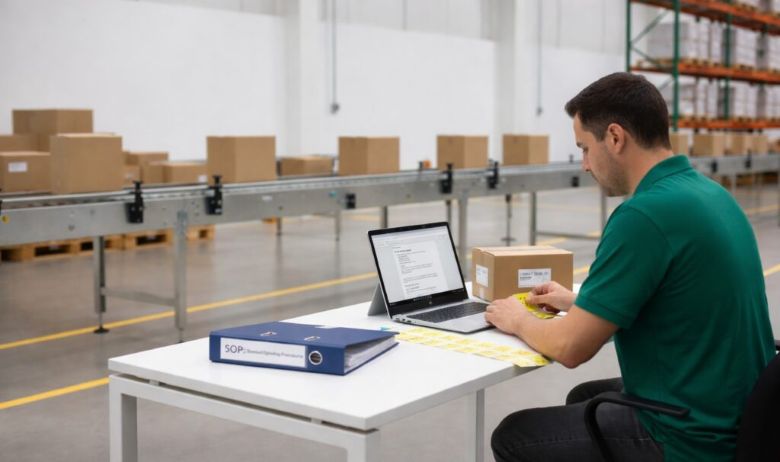
- SOP alignment (receiving, picking rules, packing standards, returns workflows)
- Pilot scope (one channel, one facility, or a subset of SKUs)
- Parallel run (validate inventory, confirm carrier rates, test label compliance)
- Ramp plan (forecast-based staffing, peak playbook, exception handling)
Most “3PL failures” are actually onboarding failures: unclear SOPs, bad item data, unrealistic go-live timing, or no governance rhythm.
Frequently Asked Questions (FAQs)
What is a 3PL, and what do they actually do?
A 3PL (third-party logistics provider) stores your inventory and handles tasks like receiving, picking and packing orders, shipping, freight coordination, and sometimes returns. You pay for the services you use instead of running everything in-house.
When should a business switch to a 3PL?
It usually makes sense when you are consistently running out of space, missing ship cutoffs, struggling to hire or retain warehouse labor, or spending too much time fixing fulfillment issues instead of growing the business.
Is a 3PL cheaper than doing fulfillment in-house?
Sometimes, but not always. A 3PL can reduce fixed costs (leases, equipment, staffing swings) and improve consistency, which can lower your total cost over time. The best comparison is total cost to serve, not just a pick and pack rate.
What should I ask before choosing a 3PL?
Ask about order accuracy, shipping cutoffs, peak season planning, returns handling, reporting, integration options (Shopify, Amazon, EDI/API), and a clear rate card that shows all fees and common add-ons.
How long does it take to onboard with a 3PL?
Many onboarding timelines fall in the 2 to 8 week range, depending on SKU count, integrations, labeling, and how clean your product and order data is. A phased launch (starting with one channel or SKU group) can reduce risk.
Talk With a 3PL Expert About Your Next Step
If you want a clear, no-pressure way to evaluate outsourcing in New York, NY, reach out to 3PL Logistics By Best. Share your order volume, product mix, shipping needs, and any problem areas like returns or peak season spikes.
Our team in New York, NY, can help you compare options, understand realistic costs, and see whether outsourcing would improve speed, accuracy, and day-to-day operations.
Ready to get clarity? Contact 3PL Logistics by Best today.