

What’s in This Guide
- What Does Fulfillment Cost Per Order Mean?
- What Costs Should Be Included?
- How to Calculate Fulfillment Cost Per Order in Four Steps
- How In-House and 3PL Fulfillment Change the Cost Structure
- 3PL Fee Checklist: What to Review Before You Sign
- Frequently Asked Questions
- Get a Clearer View of Your Fulfillment Costs
Quick Facts
- Fulfillment cost per order should include receiving, storage, labor or pick-and-pack, packaging, shipping, technology, and returns.
- Use the same time period for expenses and fulfilled orders so the metric stays comparable.
- In-house fulfillment can hide costs in payroll, rent, software, equipment, and unused capacity.
- A 3PL converts many fixed costs into usage-based fees, but minimums and surcharges still matter.
- Compare total fulfillment cost, not only the advertised pick-and-pack rate.
What Does Fulfillment Cost Per Order Mean?
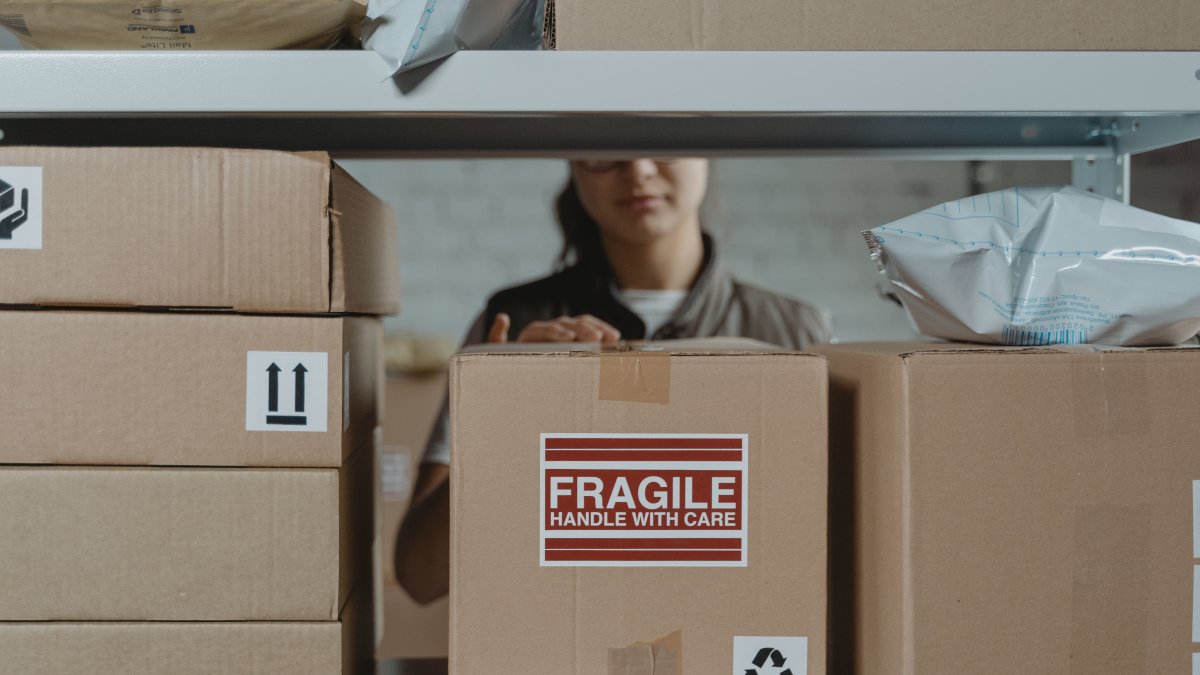
Fulfillment cost per order is the average amount a business spends to receive, store, pick, pack, ship, and support one customer order. It gives operators a consistent unit for comparing months, warehouses, and fulfillment models.
Use this formula:
Fulfillment cost per order = total fulfillment expenses for a period ÷ fulfilled orders in that period
If a business spends $24,000 on fulfillment in one month and ships 3,000 orders, its average cost is $8 per order. The metric is only useful when the numerator is complete. Leaving out rent, software, returns, or packaging makes fulfillment look cheaper than it is.
What Costs Should Be Included?
Receiving and Inbound Handling
Include labor or fees for unloading, checking, counting, labeling, and putting inventory away. If a 3PL charges by pallet, carton, unit, or labor hour, use the method in the proposal.
Storage
For in-house operations, count warehouse rent and occupancy costs. For outsourced fulfillment, include storage by pallet, bin, shelf, or cubic foot, plus long-term storage charges when applicable.
Labor or pick-and-pack
In-house labor can include wages, supervisors, overtime, and temporary staff. The U.S. Bureau of Labor Statistics reported average hourly earnings of $26.74 for warehousing and storage employees in July 2026, illustrating how labor affects unit economics.
With a 3PL, labor and handling costs are typically built into fulfillment fees. Businesses may also need to account for other service-related expenses such as storage, account support, system setup, and returns processing.
Packaging
Count boxes, mailers, tape, labels, void fill, inserts, and custom packaging. Small material costs add up across thousands of orders.
Shipping
Use the actual carrier cost paid, not the amount charged to the customer. Package dimensions matter as well as weight. The U.S. Postal Service states that certain parcels larger than one cubic foot can be priced using dimensional weight when it exceeds actual weight.
Technology
Include warehouse management software, order-management tools, scanners, label systems, integrations, EDI fees, and subscriptions. A 3PL may bundle some technology costs while charging separately for onboarding or integrations.
Returns
Include costs related to return shipping, inspection, restocking, repackaging, disposal, and the labor required to process returned items. For e-commerce operations, reverse logistics should be included when calculating overall fulfillment costs.
How to Calculate Fulfillment Cost Per Order in Four Steps

A consistent process for how to calculate fulfillment cost per order makes it easier to compare results across reporting periods.
1. Choose a Consistent Time Period
Use the same reporting period for both fulfillment expenses and completed orders so the calculation stays consistent.
2. Include Relevant Fulfillment Costs
Add the main expenses tied to receiving, storage, order processing, packaging, shipping, technology, returns, and other applicable fees.
3. Divide Costs by Fulfilled Orders
Divide the total fulfillment expenses for that period by the number of orders fulfilled during the same timeframe to estimate the average cost per order.
4. Break Out Different Order Types When Needed
If one overall average does not reflect actual operations, calculate separate figures for different product types, sales channels, shipping methods, or order profiles.
How In-House and 3PL Fulfillment Change the Cost Structure
In-house fulfillment usually carries more fixed costs. Rent, equipment, software, salaried supervision, and baseline staffing continue when volume slows. Unused capacity can push cost per order higher.
Outsourced fulfillment shifts more spending toward variable charges tied to inventory and order activity. That can make costs scale with demand, but it does not guarantee a lower total. When asking how much do fulfillment services cost, review the complete fee schedule rather than a headline rate.
Businesses asking how much does fulfillment cost should model their own order profile. Product dimensions, units per order, storage velocity, return rate, shipping zones, and seasonal peaks can change the answer.
3PL Fee Checklist: What to Review Before You Sign
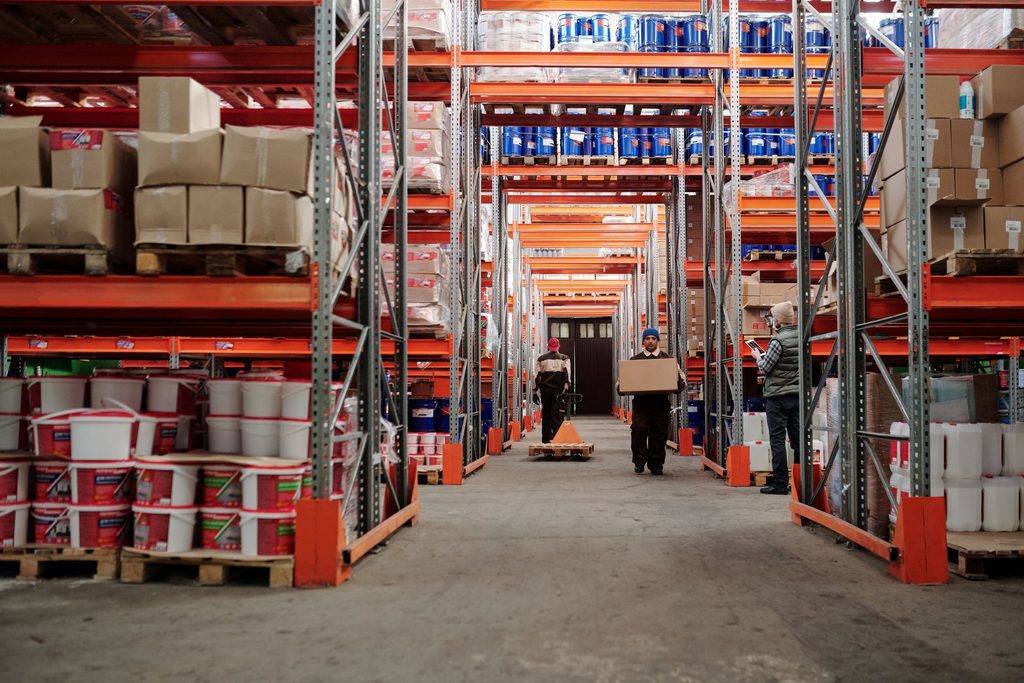
Check receiving, storage, pick-and-pack, packaging materials, postage, returns, kitting, labeling, account management, technology, onboarding, integrations, monthly minimums, peak surcharges, long-term storage, special handling, inventory counts, and termination fees.
Confirm how each billing unit works. A low pick fee can be offset by extra-item charges, packaging markups, minimums, or surcharges. To answer how much order fulfillment costs, build a sample invoice using your real monthly order mix.
Frequently Asked Questions
What information should NYC businesses prepare before requesting a 3PL quote?
Prepare basic details about order volume, SKU count, inventory levels, packaging needs, shipping destinations, and expected returns. This gives the provider enough context to build a more relevant estimate.
Can a NYC 3PL handle both e-commerce and wholesale fulfillment?
Some providers support multiple order types within the same operation. Businesses should confirm how the 3PL handles different packaging, routing, labeling, and customer requirements before choosing a service.
Does warehouse location in New York affect fulfillment planning?
It can. Warehouse location may influence inbound transportation, carrier access, delivery zones, and other logistics considerations that contribute to the overall fulfillment structure.
What happens if order volume changes after signing with a 3PL?
Costs and service requirements may change as inventory or order volume increases or decreases. Review minimums, storage terms, and other variable charges so you understand how the pricing structure may respond.
What should NYC businesses confirm before transferring inventory to a 3PL?
Confirm receiving requirements, inventory transfer procedures, system integrations, reporting expectations, and the planned transition schedule. Clear responsibilities can help make the handoff easier to manage.
Get a Clearer View of Your Fulfillment Costs
3PL Logistics By Best supports NYC businesses with warehousing, inventory control, packing, fulfillment, cross-docking, and distribution services. If you are comparing in-house operations with outsourced fulfillment, request a free estimate and evaluate the full cost structure against your current cost per order.
Related Posts